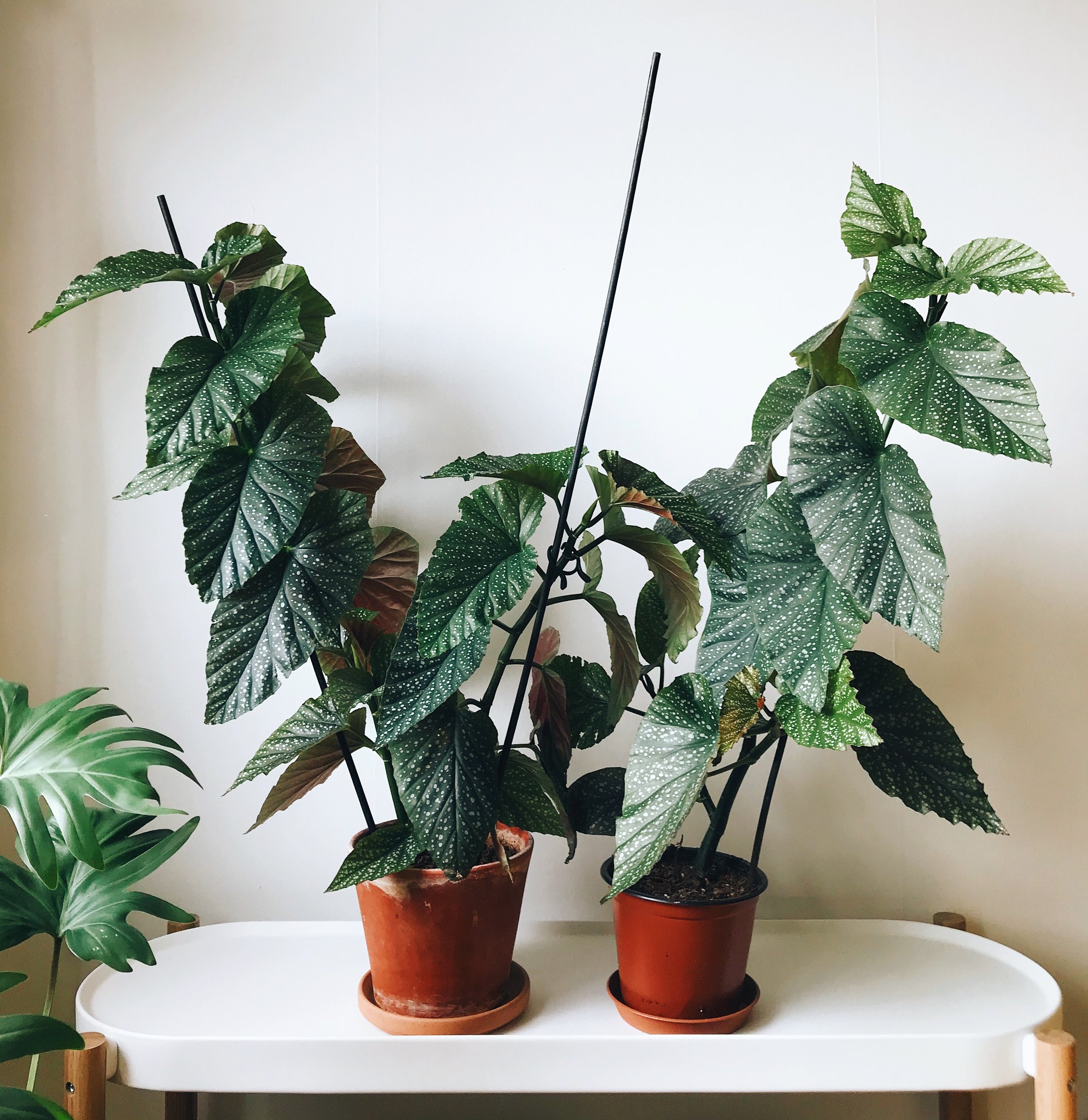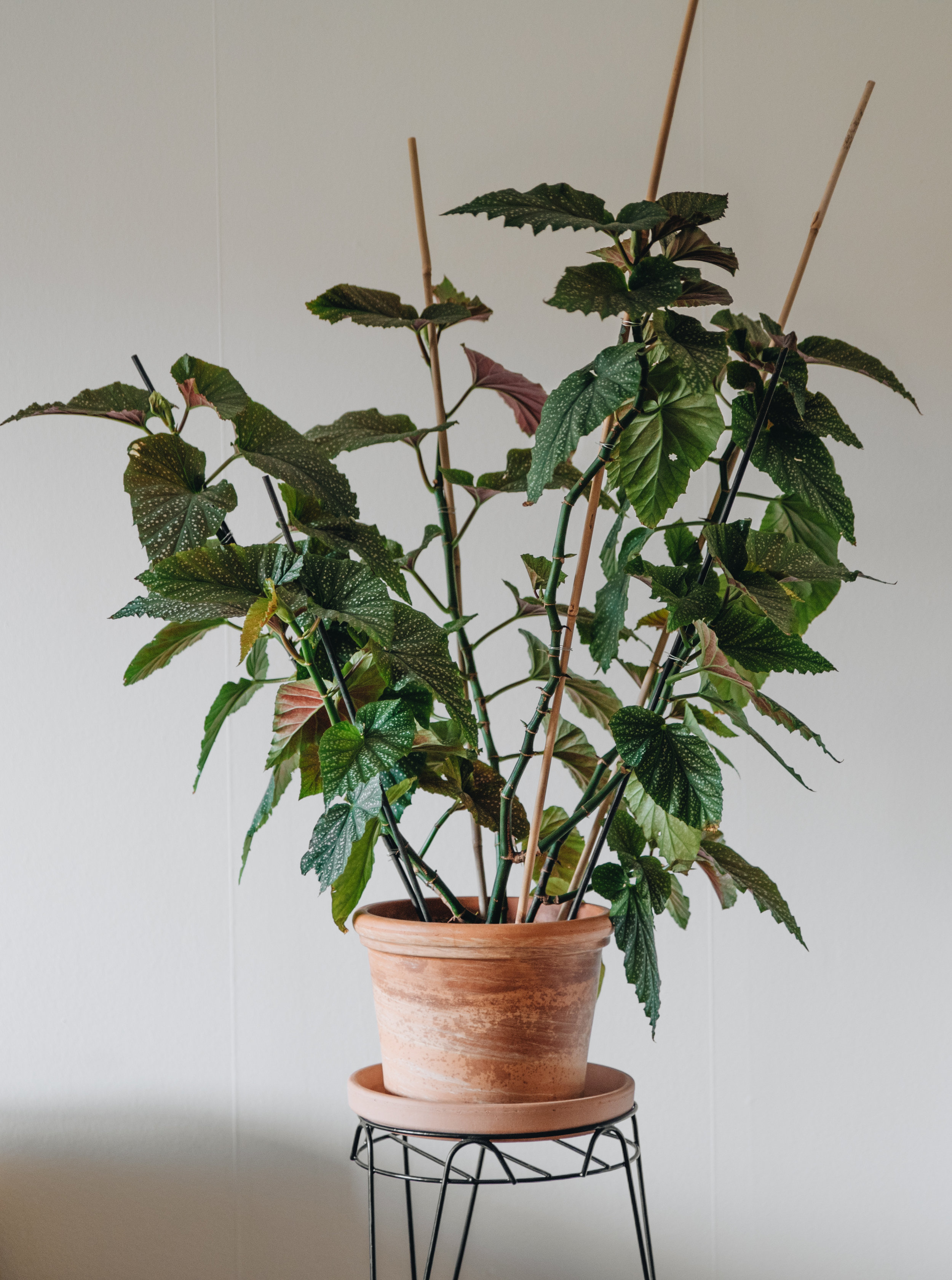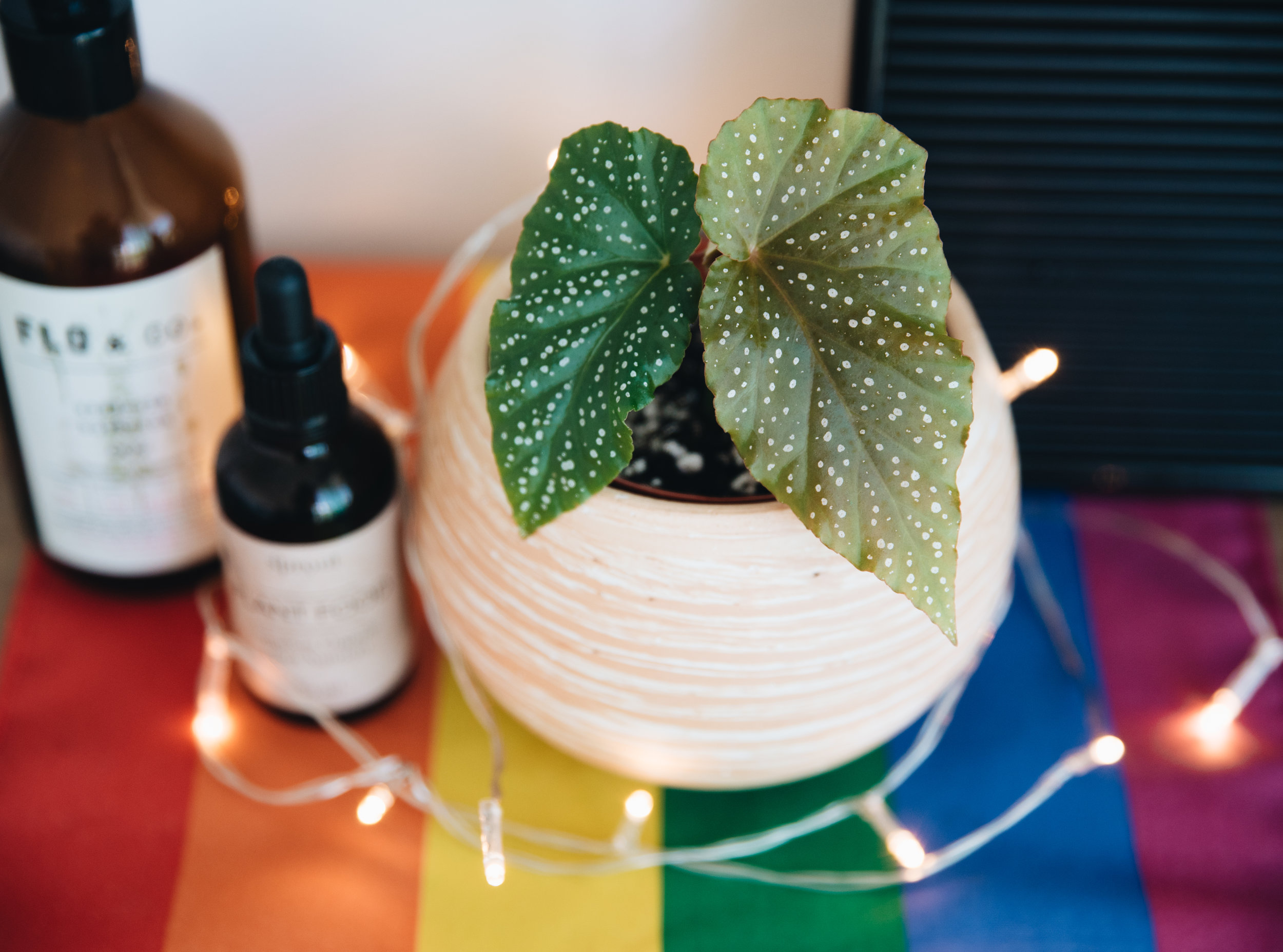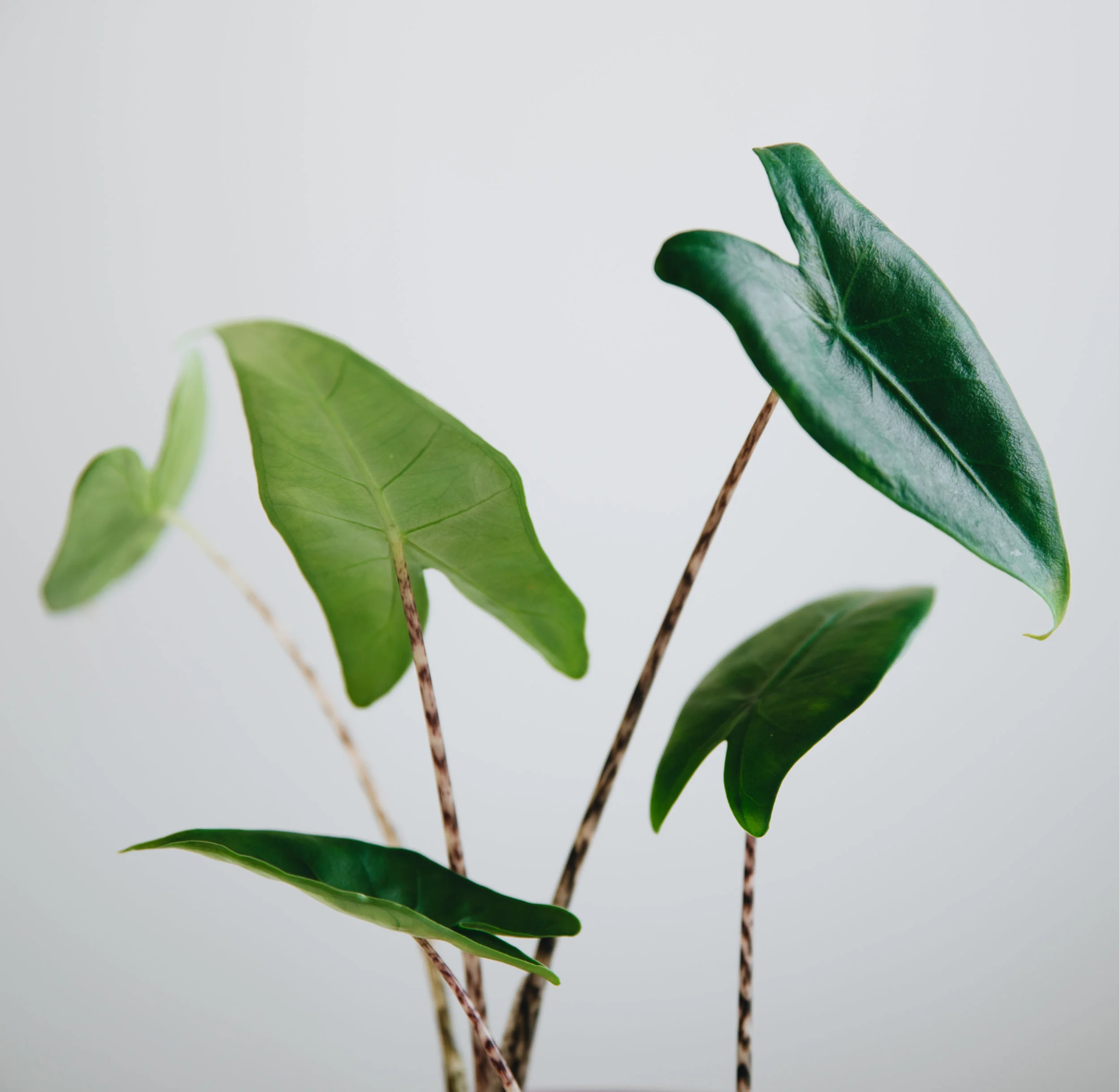
Plant Therapy and Social Distancing

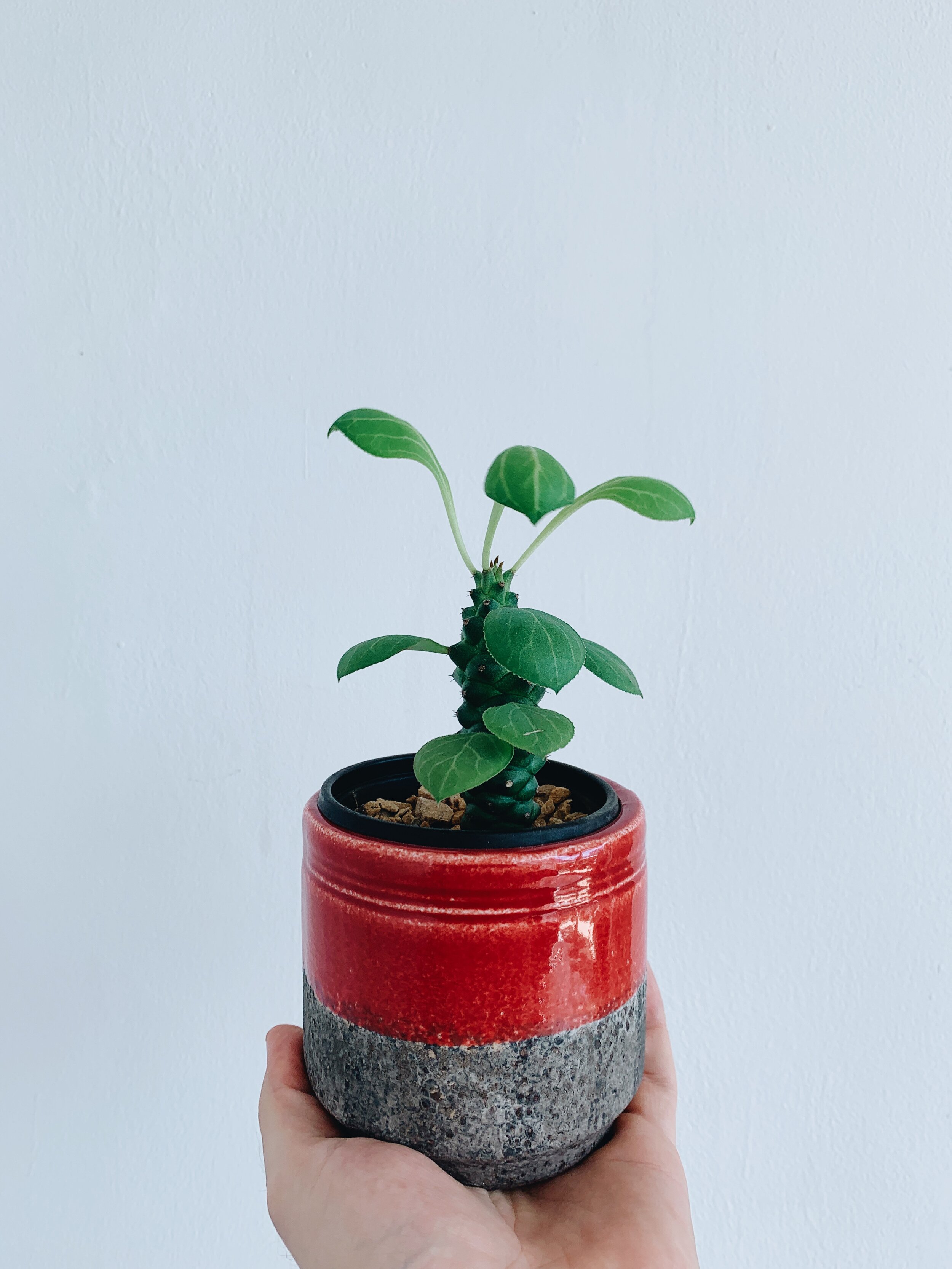
Plant friends, we’re living in a new type of world. The coronavirus (I can still hear Cardi B screaming this everytime I say it or read it…) has changed everything, and maybe things won’t ever be the same again. Although, it hasn’t been able to change our love for plants has it? In these trying times, when many of us are staying home to avoid getting sick, or avoid spreading the virus, it’s easy to get bored and lonely. While we shouldn’t feel like we have to be productive just because we suddenly have all this free time on our hands, it’s great to have a few recommendations and ideas for when we do want to do something. When it comes to plants, there are thousands of things you can do to pass the time, and your plants will thank you for it in the long run.  Here are some suggestions:

Shower your plants
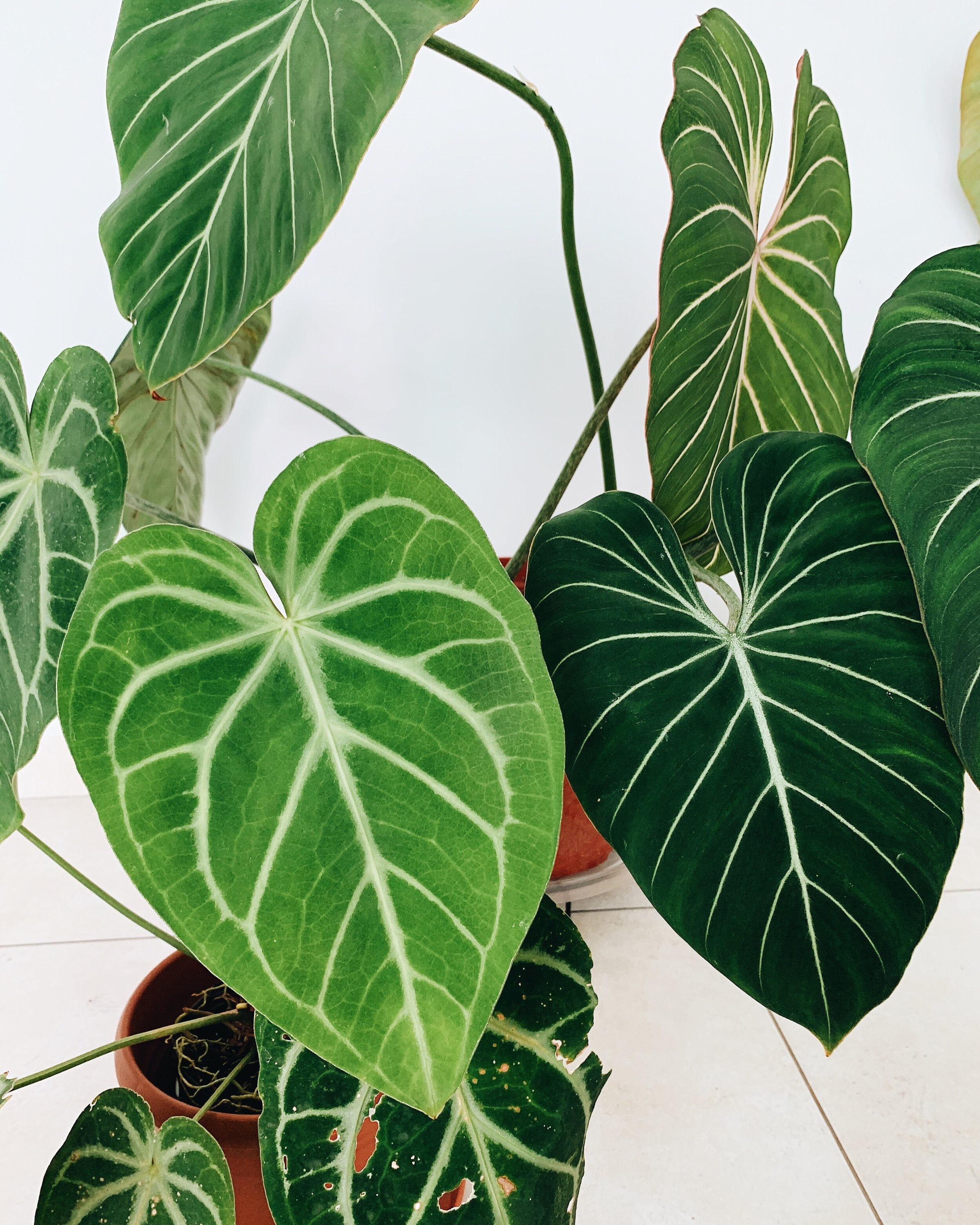
Many plants, especially the ones with tropical origins, love to get showers now and then. Just put on your bikini or speedo and hop in the shower with your plants! Use room temperature water and be sure to shower both sides of the leaves. This won’t just give your plants some extra shine and energy, but also it might rinse off some unwanted bugs. 
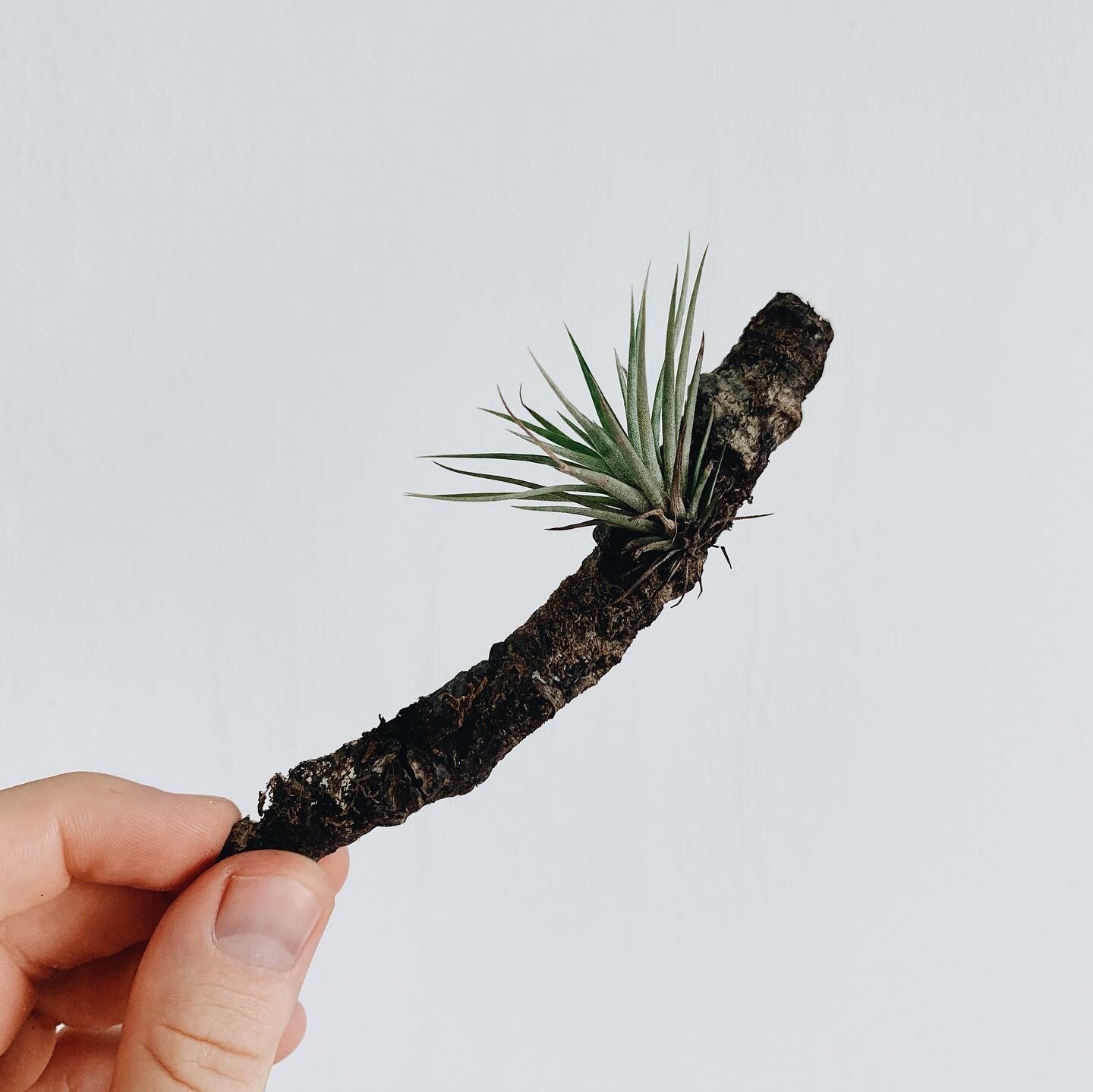
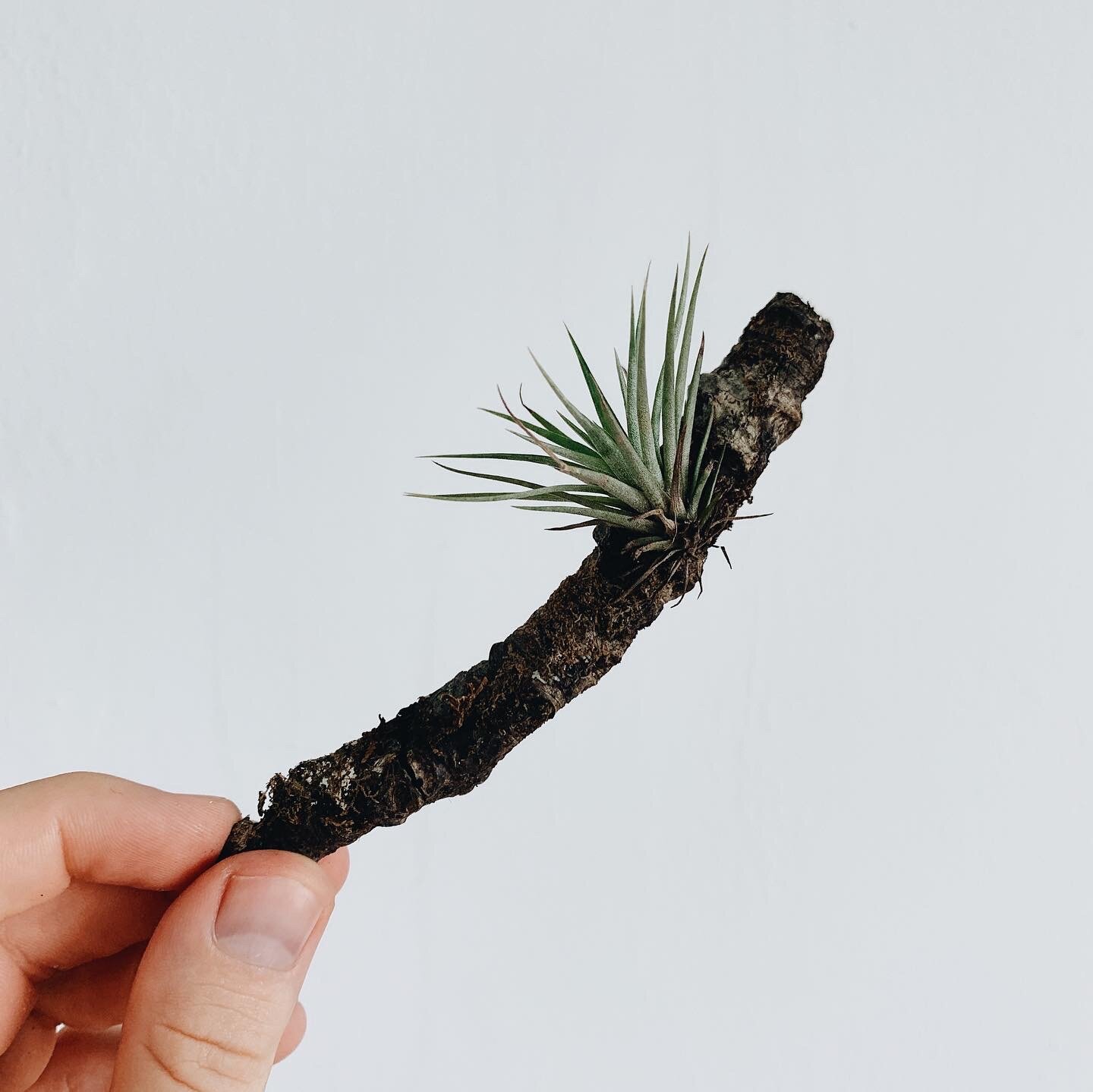
Airplants will attach to branches with tiny tiny roots, if they’re not too dry. You can also attach them with wire or a fine string.

Airplants will attach to branches with tiny tiny roots, if they’re not too dry. You can also attach them with wire or a fine string.

Install your airplants
I recently have been getting really into airplants (aka Tillandsias) and my latest little installation is a tall pot filled with fine sand. I’ve put two branches down into the sand, and on the branches I’ve secured some of my Tillandsias. You could also tie an airplant to a fine string and hang it by the window. Or create a little world for your plant in a big glass, with sand, stones and other natural things.  Just place the airplant on top and you’ll have a pretty little terrarium. Oh, and don’t forget to water them now and then! 

Give your plants new houses
This time of the year, especially in Europe and the US, is perfect for repotting the plants that might need it. You’ll know if the root system is huge, or if you’re sure the plant has been in the same soil for a year or two. Giving them fresh new healthy soil can give them a proper boost. 

Create new worlds
Speaking of terrariums, you could also get a larger glass container (a bowl or a cylindrical vase for example) and fill it up with pretty little plants. Use small rocks, sand, moss (if you can find any), branches, mini plants (or cuttings!) and stones. There really are no limits to what you can create! 
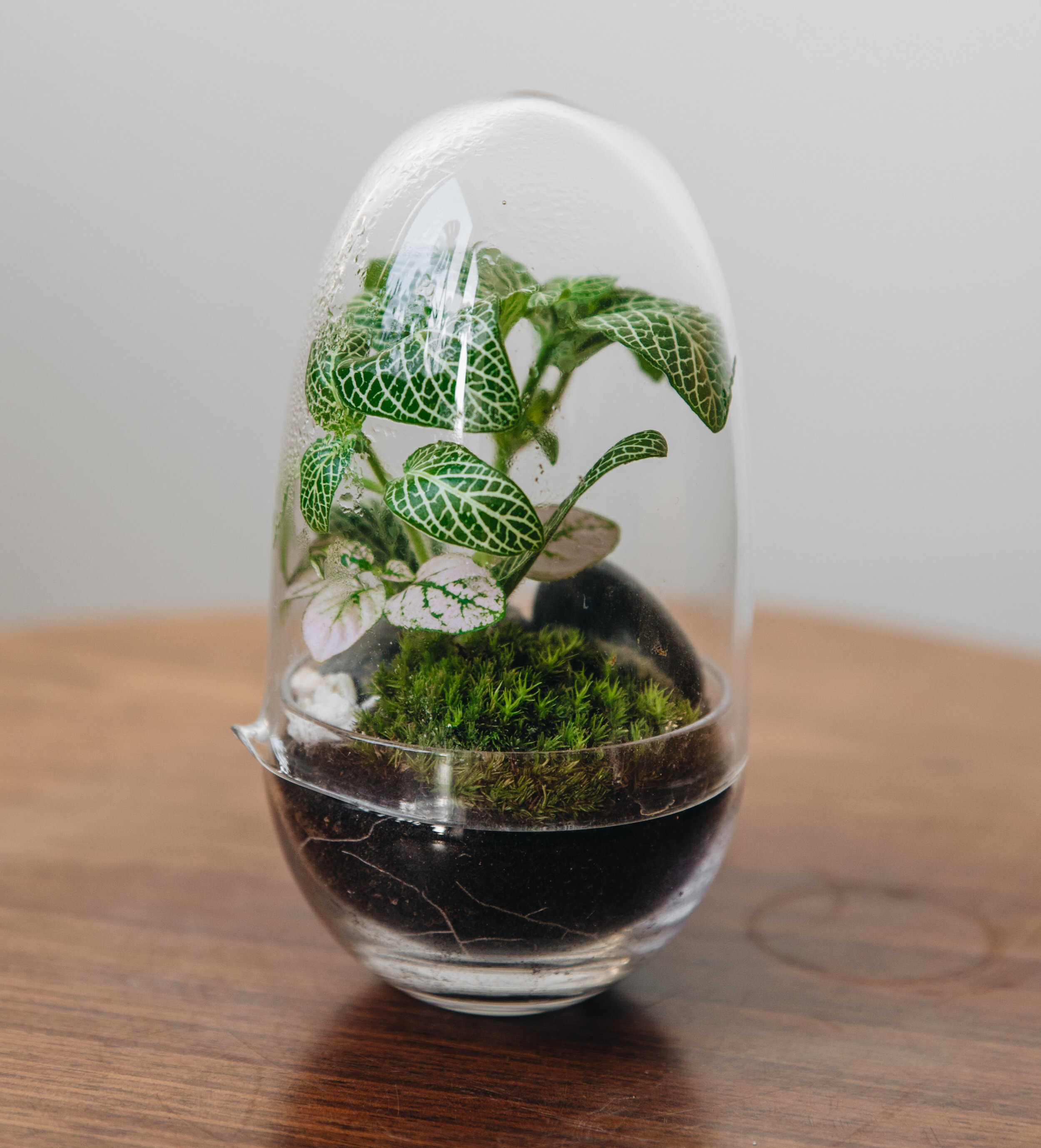
One example of a terrarium I made while working at Plant KBH in Copenhagen.

One example of a terrarium I made while working at Plant KBH in Copenhagen.

Study
There are definitely plants you’d like to know more about. Well now that you have time to research them, why not google some of them to see what you can find? Since I’m mostly into tropical plants with big green foliage, I often end up reading the extensive and great information provided by exoticrainforest.com. I don’t currently have any plant books here (I left them in a box in my dad’s garage in Sweden), but if I did, I would absolutely be reading them from cover to cover. 

Move it around
Did you also move around furniture in your room as a kid, and when you were done it felt like a whole new room with new things? Well, you can do the same with all of your plants. Just move them around, swap places, reorganize they way they’re placed around your home, and suddenly you’ll have a completely new plant collection in a new cool environment! When you’re done moving things around, don’t forget to clean up as well. 

Propagate your collection
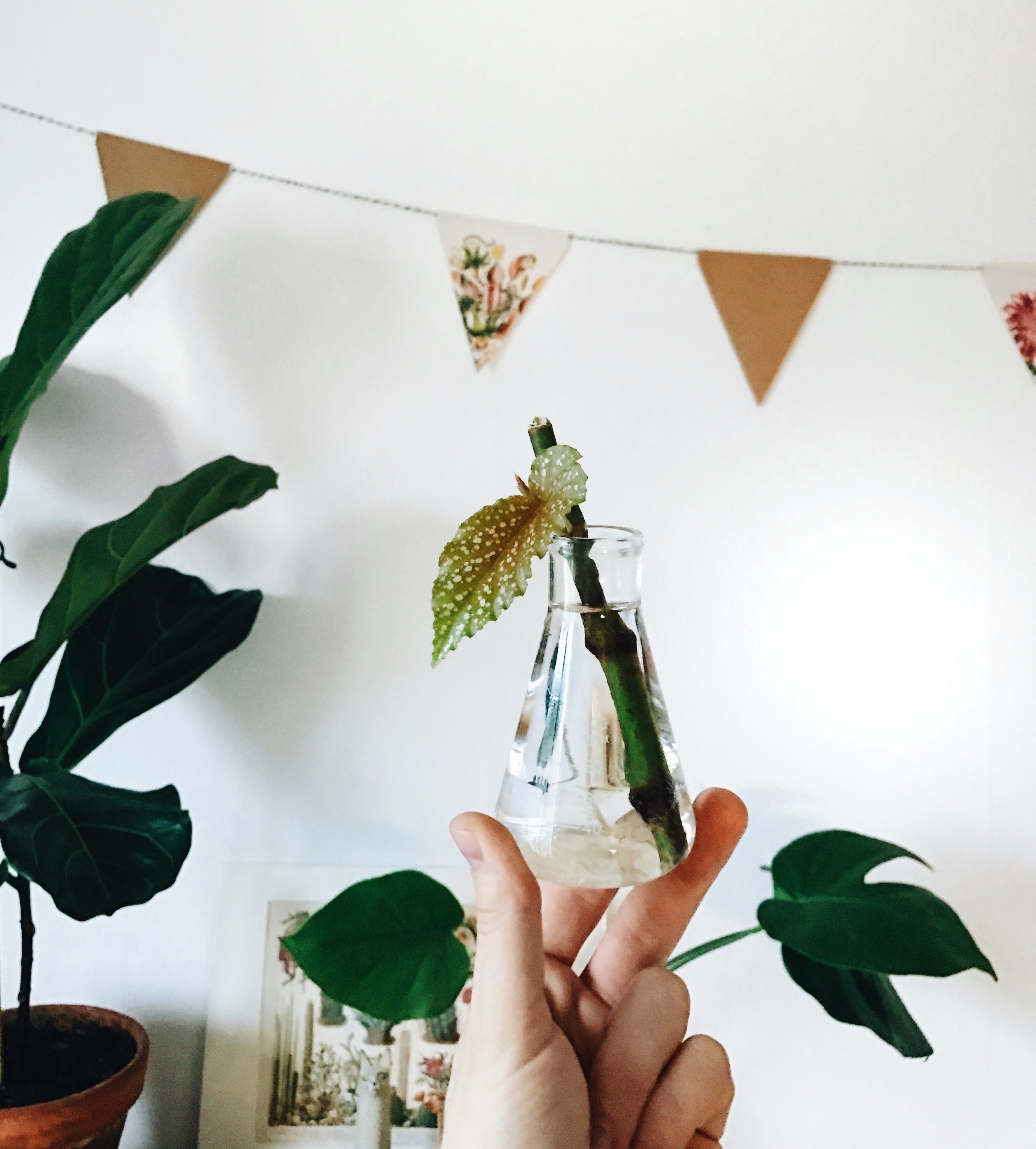
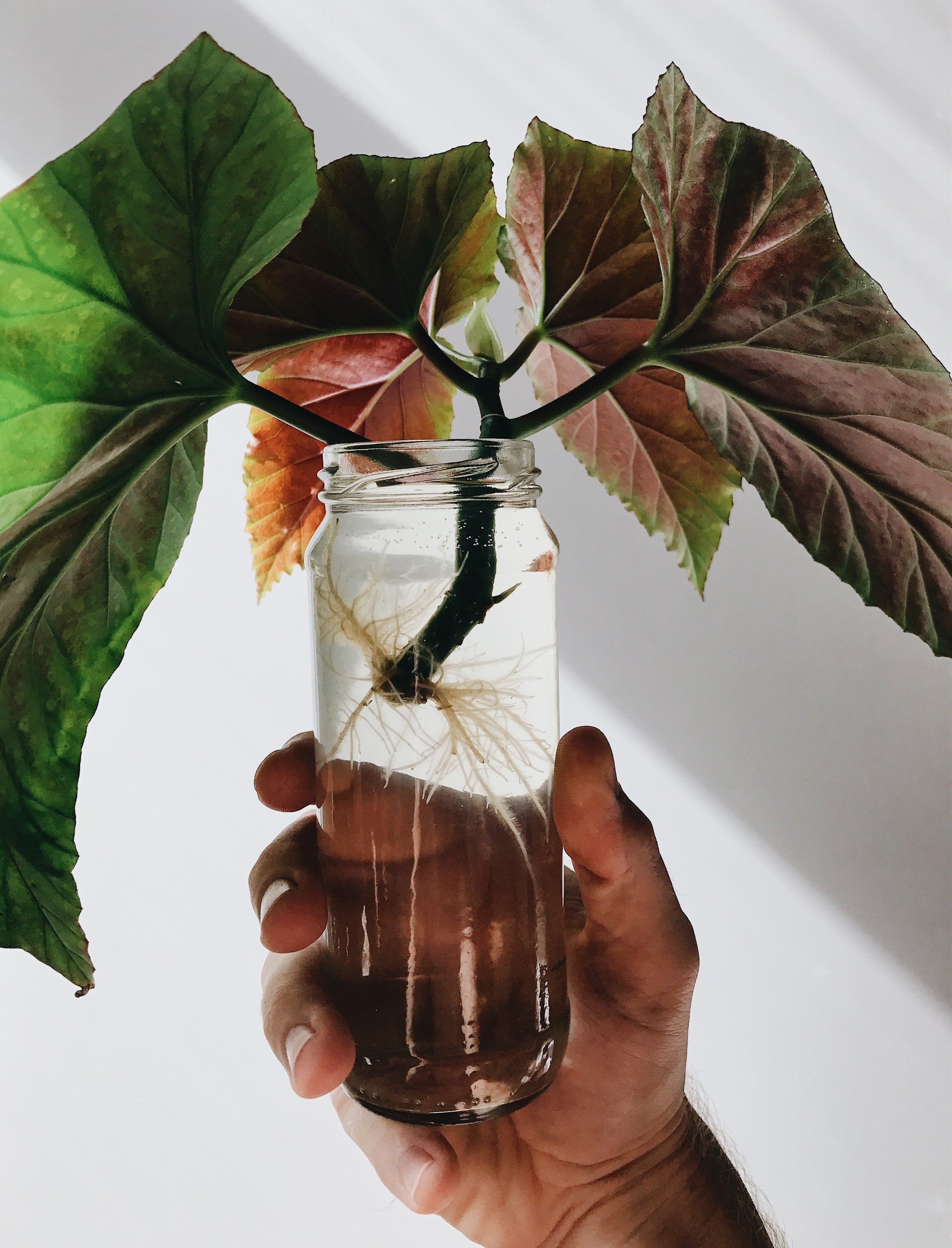
While you’re showering and inspecting your plants, you might notice that some of them could be trimmed down. Now is a great moment to cut some pieces and propagate them in water. Hopefully this worldwide quarantine won’t last too long, but most likely you’ll have roots before this whole situation is over. And then you can give the cuttings away to people who might not have as many plants! Just one thing, don’t forget to change the water now and then.

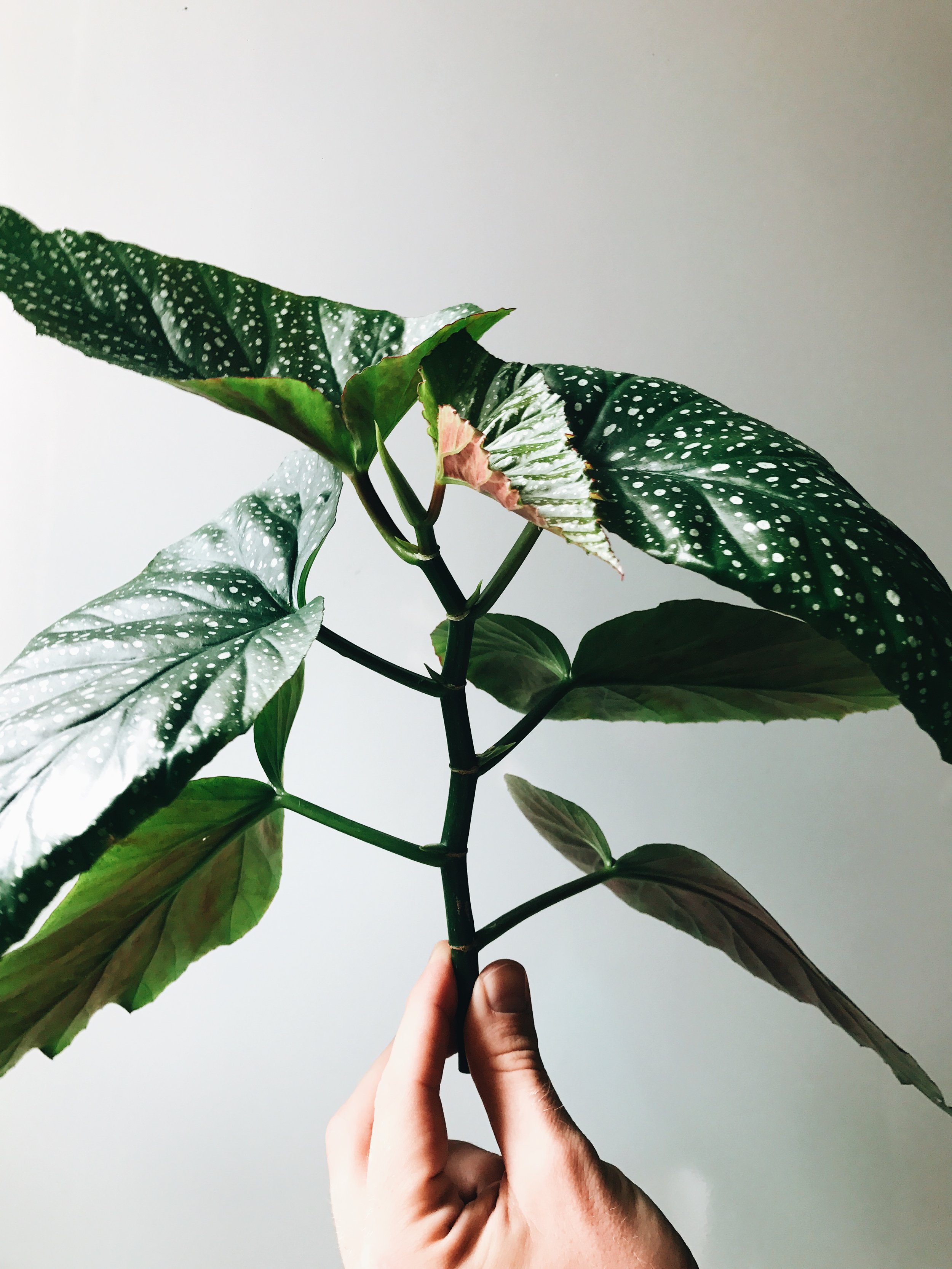
Cutting off some leaves can do a plant good sometimes, and taking cuttings like this one will encourage new growth on the mother plant.

Cutting off some leaves can do a plant good sometimes, and taking cuttings like this one will encourage new growth on the mother plant.

Meditate
While fixing with your plants can be a sort of meditation on its own, it’s always good to take a step back and relax. Take a moment to calmly inspect your plants, is there anything new and fun happening? Really pay attention to the changes they’ve gone through. Think about what they mean, why is a plant dying, why is a leaf yellow, why is one growing more than the other. Then sit down and relax, breathe and enjoy the space you’ve created for yourself and your greenery. I can recommend the app Headspace, for some good breathing techniques and calming meditation. They have a free package right now for anyone who is feeling stressed or worried about the pandemic.

Shoot shoot shoot
When you’ve finished all of this, you could take out your camera (or phone) and shoot all your fresh and fancy plants! Post the pictures on insta or maybe just keep them for later growth comparisons. 

Are you doing any of these things to pass the time during the quarantine/social distancing? Do you have any other tips for what to do with your plants while spending all this time at home? Let me know in the comments below! 

PS. Make sure to follow me on Instagram! And if you appreciate this content, please consider subscribing to my Patreon, where you will also get access to lots of exclusive content, such as the 2600 word blog post “Everything you need to know about Alocasia”. Thanks!
Panama Plant Guide

plant-family-portrait.jpg

It’s been two months since we left Panama, but I wanted to write this last post, about plants in Panama. Mostly to help anyone there who wants to get more plants. Hope you’ll find what you’re looking for! Before we dig into this, make sure to follow me on Instagram!

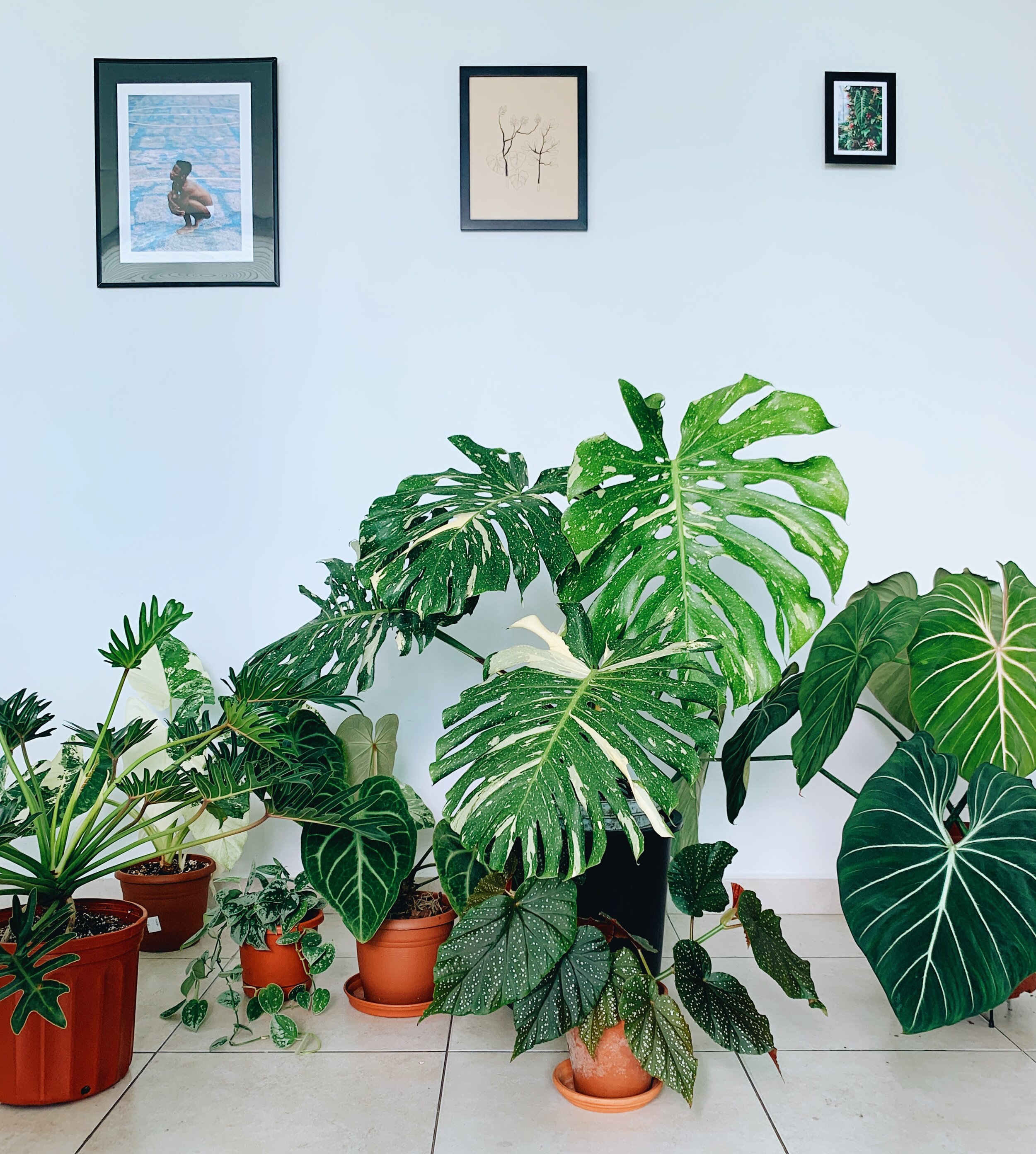
Being a plant lover in Panama City is both a blessing and a curse. Plants grow everywhere. The biggest Epipremnum aureums I’ve ever seen, Monstera adansonii growing on at least half of the tree trunks in the city, every office building has either a vertical garden full of Philodendrons and other hanging/climbing plants, or a tidy garden next to the entrance with Caladiums, Syngoniums and Calatheas. All of these plants thrive here. In fact, most of them are from here, or at least from this region of the world. And Panama is in fact the country with the most types of Monsteras. But actually finding and buying them is a very different situation…

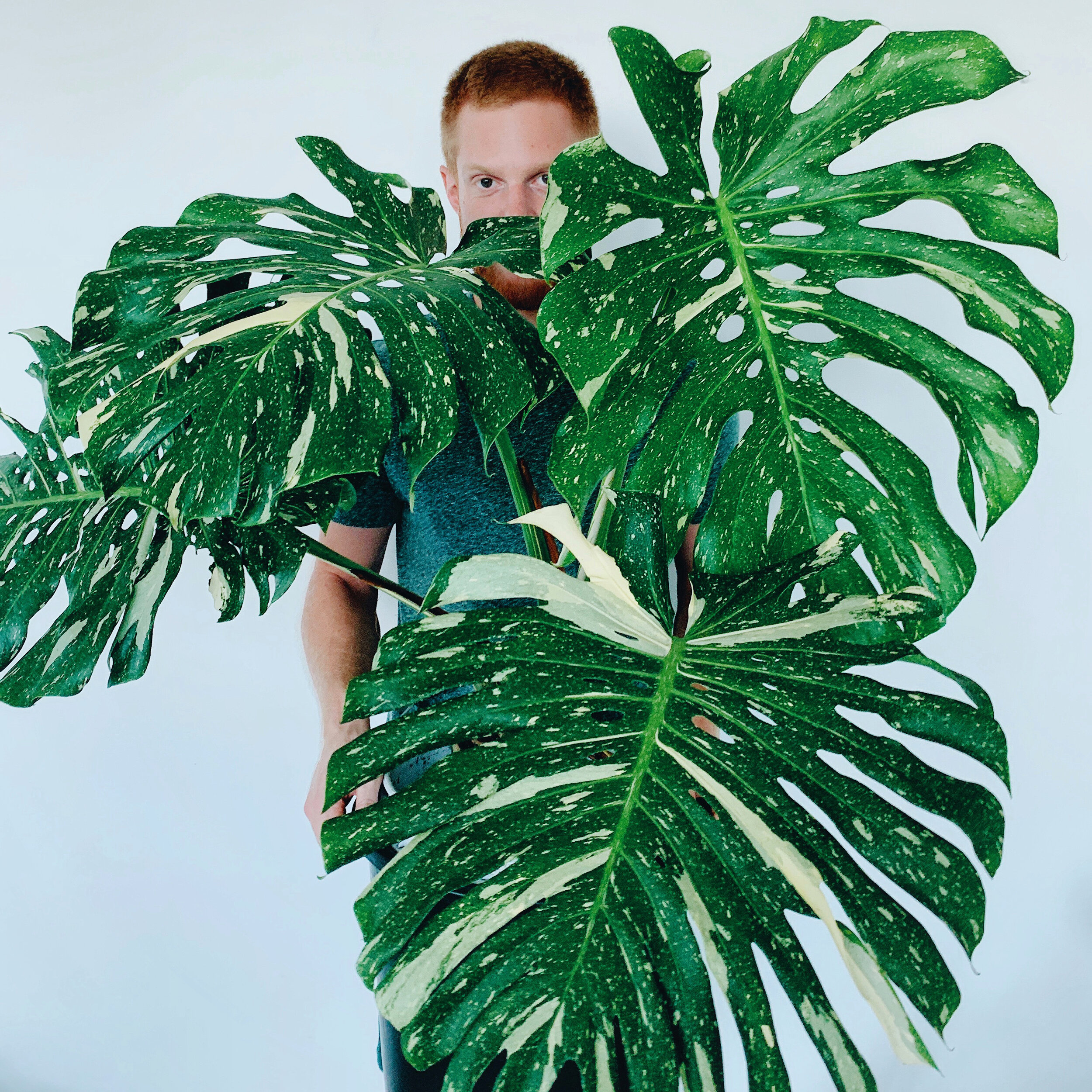
The only Monstera I’ve seen in plant shops around Panama City is the regular green Monstera deliciosa (aka Swiss Cheese plant). To get a variegated Monstera, you’ll have to venture with a car to El Valle de Anton and ask at any of the nurseries in the valley. The car ride is about 2.5 hours outside of rush hour. And remember to bring cash, most nurseries don’t accept card. Once there, you’ll find several types of Alocasia, Calathea, Caladium, Syngonium, Philodendron, Thaumatophyllum, different cacti, palms and much more. Whatever size of plant you’re looking for, you’ll find it here, especially bigger ones. You can get a variegated Alocasia macrorrhiza that stands at 1.2-1.5m high for only $10!

My rather small plant haul the first time I went there specifically for plants:

  • Monstera deliciosa variegata (Thai constellation) = One huge leaf, $25

  • Thaumatophyllum ‘xanadu’, quite big = $25

  • Alocasia macrorrhiza, about 50cm tall = $4

  • Philodendron verrucosum, 3 medium leaves = $3

monstera-variegata.jpg

Most plants in Panama (at least outside of the city) are pretty cheap. Especially compared to what you’ll get in Europe for the same money. If you’re on a really low budget, you could also get cuttings all over the country for free. Like I mentioned, Monstera adansonii and similar Monsteras grow everywhere, so that one won’t be hard to get. Same with Philodendron hederaceum. You can also find a variety of Tillandsias (air plants) hanging from many trees. If you go out of the city, you’ll find many more tropical plants growing at the side of the road, easy to pick up and take home.

There are of course also a couple of plant shops around Panama City:

  • El Tigre Verde, San Francisco
    I never bought anything here, but I’m sure you could find a couple of plants from time to time. When I went, they had mostly orchids and philodendrons (most of which had mealybugs). But they have a gorgeous plant wall outside of the entrance, worth going to have a look at (and take a picture for Instagram perhaps?!).

  • Hiedra y Bambu, San Francisco
    This place has more variety than most, lots of small cacti and many bigger plants. However most of it is very pricy. However I did find a huge and gorgeous Philodendron gloriosum for only $25!

  • Vivero, Parque Metropolitano
    To be honest, I never actually entered this place. But I did pass it a couple of times and they do have lots and lots of plants, in several sizes. Most are medium to big. For example I saw the beautiful Philodendron squamiferum here, the only place I’ve ever seen it in Panama.

  • Riba Smith, Multiplaza & Bella Vista
    This is one of the supermarket chains in Panama, and the one with the best plant selection. It’s not that cheap, but you can find some nice looking and rare plants from time to time. Alocasia cuprea for example. The one in Multiplaza has a bit more, but the one in Bella vista always has Calatheas, Monsteras and some Philodendrons.


Seven months in Panama

That, my friends, was a wild ride. I feel like I owe you all a quick update. My minimum one year stay in Panama actually didn’t last much longer than seven months in total (with a one month break in Sweden). Those months felt both like seven days and seven years. There might have been more downs than ups, but in the end I’m happy to have been there and I don’t regret going. In hindsight, maybe I could have done more with my time. But at the same time I know it does take a lot of time to find friends and work, especially when you move to a new country where you hardly speak the language. Sadly, when I wasn’t traveling out of Panama, I spent much of my time on Netflix and Twitter. I found myself in a routine of going to the gym, cooking, buying groceries, doing laundry and watching TV. And I was complaining, about everything...

Look, complaining about things is my nature. I do it all the time. But in Panama I think I reached a new level. Granted, we did have a lot of problems with our apartment. Leaky windows (and there were tropical rains pretty much every day), no gas for 4 months, no hot water for 6 months, no good way of drying clothes, stuff that got moldy, food that got bad super quickly, a freezer that barely worked, an apartment door without a handle, handy-men who never showed up (and when they did, took hours and hours of my time doing nothing, and then they made up excuses to come back the next day, which they never did and then didn’t even finish what they’d started). You know, I could go on… That apartment (and building) was literally trash. But I also complained about traffic, bad driving, no sidewalks, humidity, sweating, and much, much more.

But my trip to Paris and Stockholm made me realize what I’d been missing. My friends. They are so important to me. Feeling like I belong with the people I interact with is important to me. I mean, it’s not like I didn’t know that already. It just got very reinforced by visiting and seeing everyone again. So in the two months I had in Panama after coming back from Europe, I decided to meet more people. New or old, didn’t matter much. I ended up hanging out with some amazing people, which made me discover and see a different side of Panama City. And I opened up much more. Don’t get me wrong, I’m still a shy bitch. But I try hard not to be, I really do. Typically, when I finally fell for the place I’d spent over half of 2019 in, I had to leave. It felt like a blow to the head, a rushed decision based on my previous distaste for the city and to be honest, the people. I no longer dislike Panama, nor the people of Panama. I have lots of great memories of the city and the country. And I’ve got my friends there to thank for most of those memories. So thank you for helping me see the good, and forget about the bad.

The next chapter has already begun. I’ve been in Brasilia since Friday night and I’m excited to see what the city and its people has to offer. If you or anyone you know is around, don’t hesitate to get in touch. I don’t really know anyone here!

The curious life of my favorite Begonia

Before we dig into learning more about this fantastic plant, make sure to follow me on Instagram! Thanks!
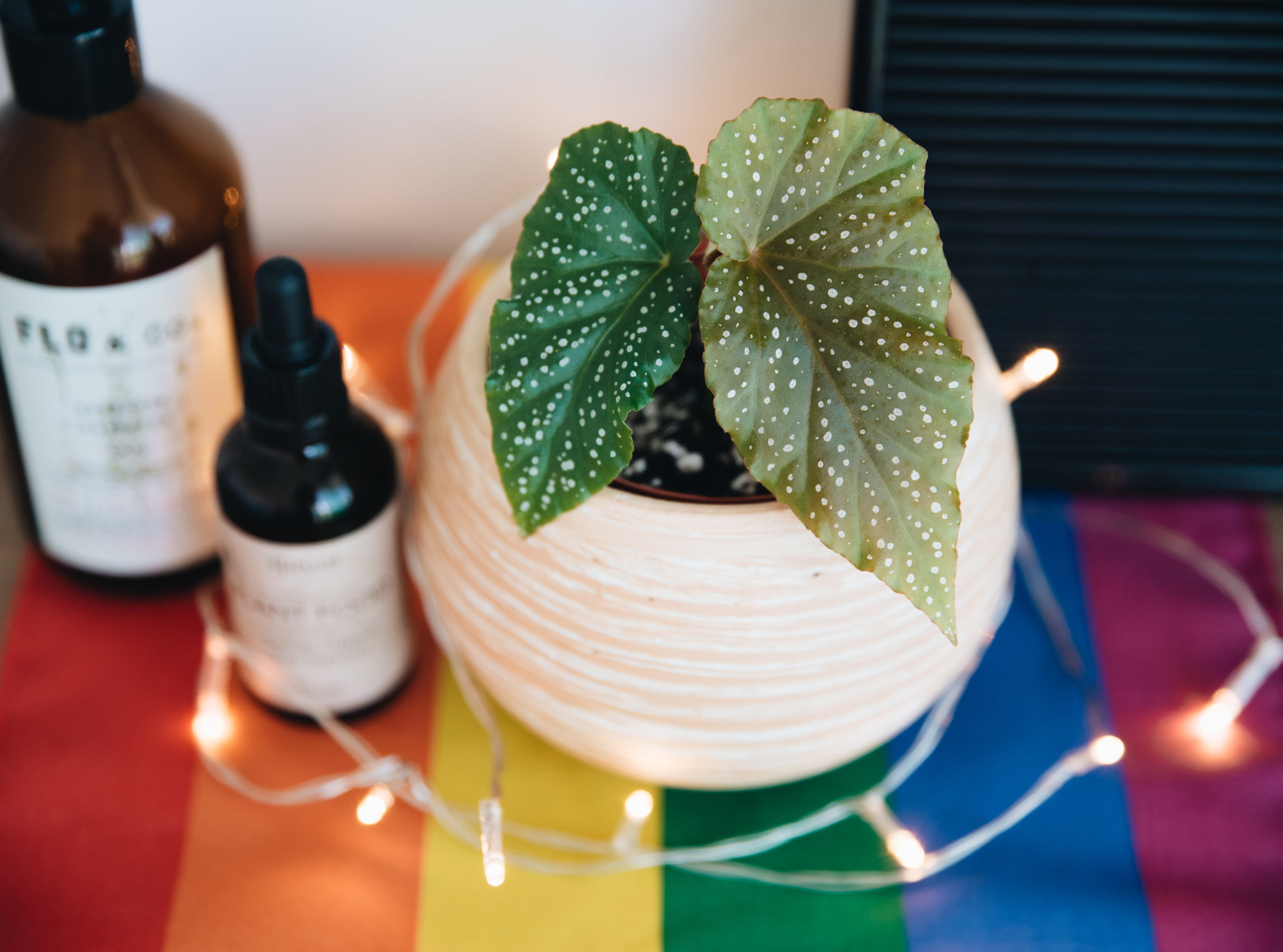
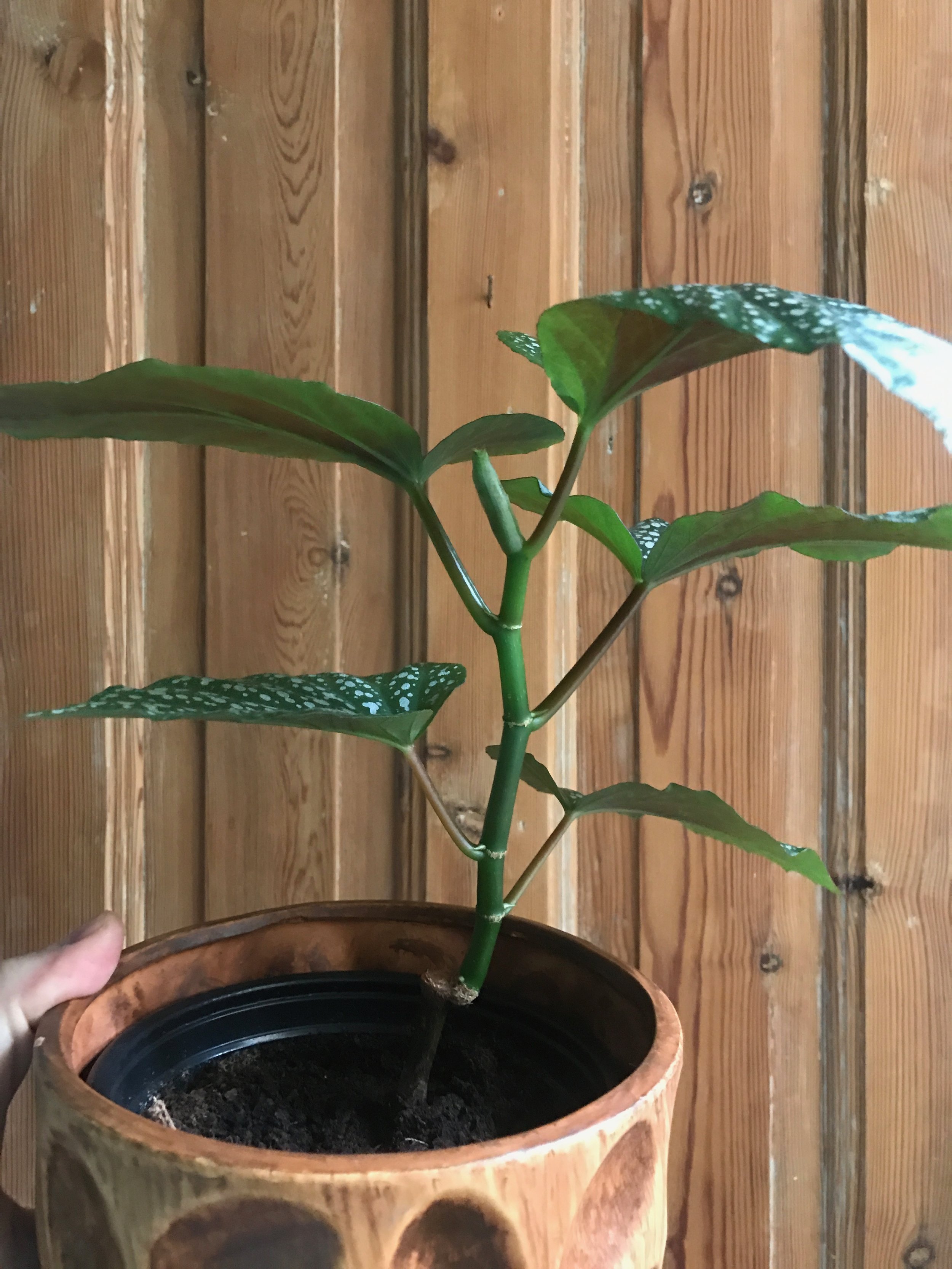
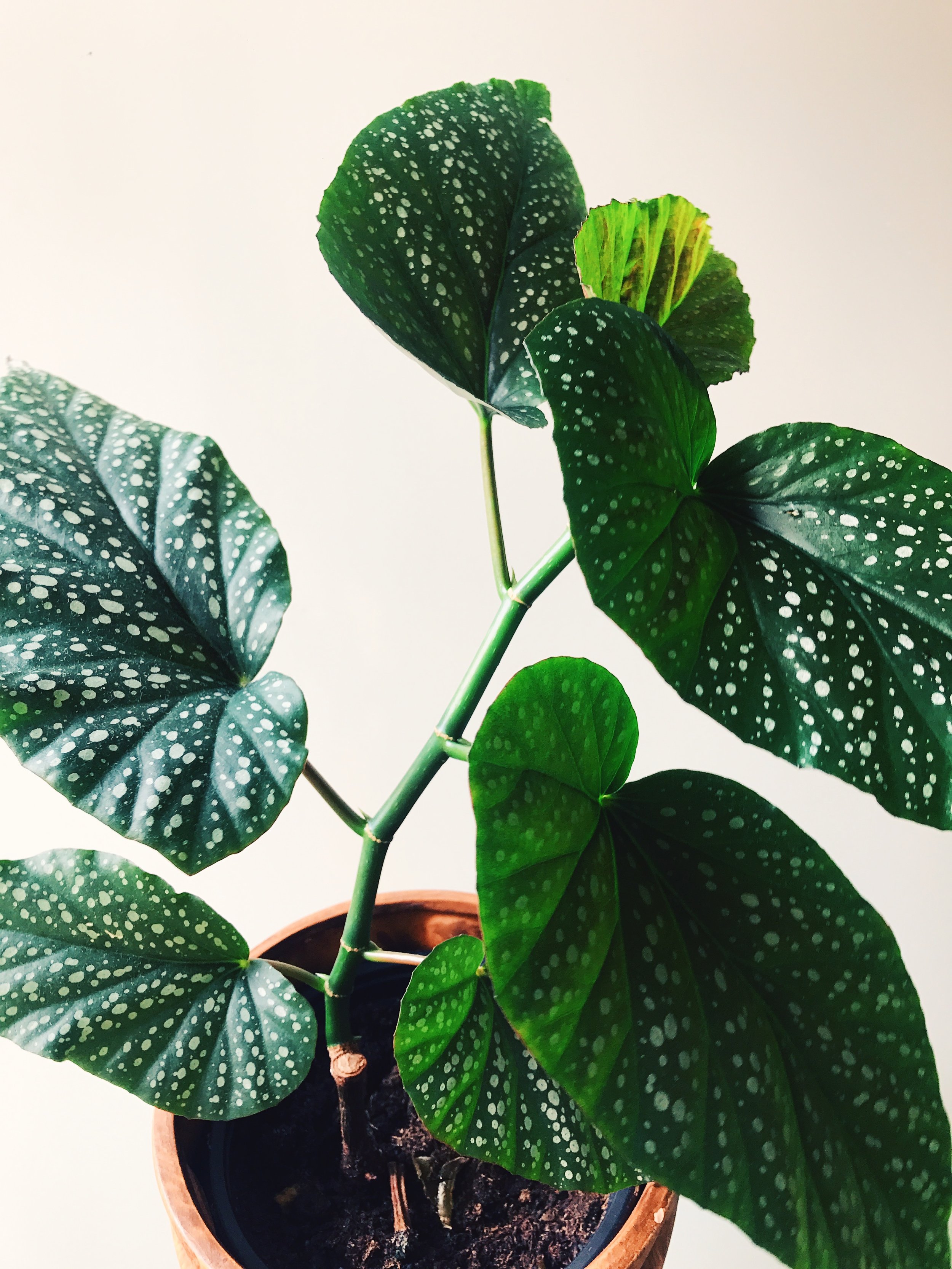
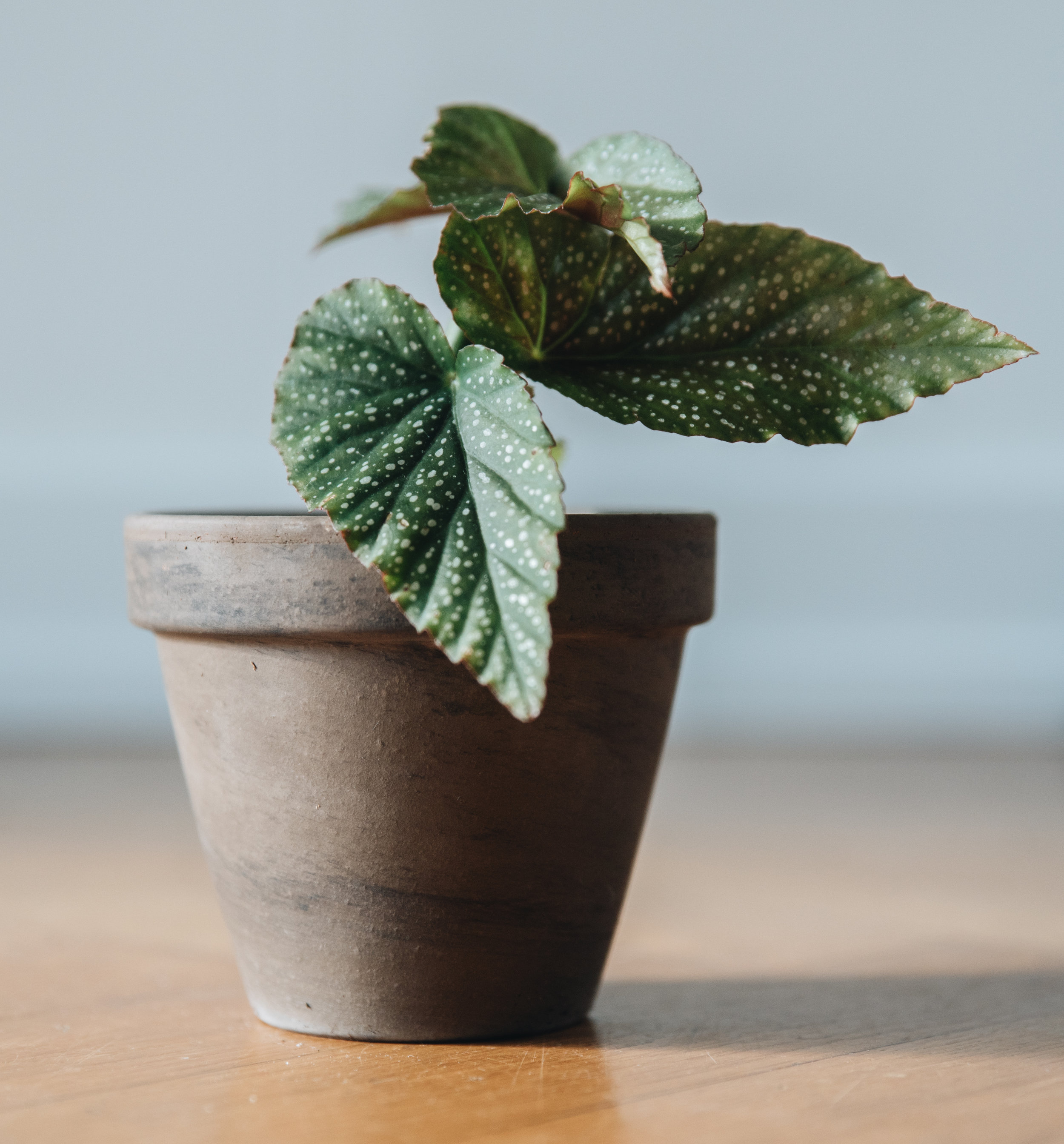
Among all of the 1400+ varieties of begonias, one always stood out to me. It’s commonly known as Angel Wing Begonia, or sometimes as Begonia lucerna, but it’s actually a hybrid whose full name is Begonia ‘Corallina de Lucerna’. And according to my readings, this hybrid came to life when the mysterious Eva Kenworthy Gray (I like to think she looked like Eva Green in Penny Dreadful) successfully crossed two varieties in 1926. A tiny parentheses: Eva loved begonias so much she wrote a book about them, and obviously she decided to call the book “Begonias”!

The two types she crossed were Begonia coccinea ‘lucerna’, a sturdier, simpler and clear green plant and Begonia aconitifolia, a more fragile and thin maple-like begonia with a silvery metallic pattern. The hybrid she created didn’t look exactly like the popular Angel Wing Begonia of today, but her creation seems to have been the start of this particular genre of Begonias – silvery dotted leaves that when paired next to each other look like the back of an angel.

begonia-closeup.jpg

My first encounter with Begonia ‘Corallina de Lucerna’ (which I shall call Corallina from here on) was in November of 2016. I was living in Stockholm at the time. I was just casually checking Facebook, and I stumbled upon a new post in a plant group I was a part of. An older lady in another city wanted to sell a couple of tiny cuttings from her begonia. There was a picture of two bare stem cuttings, and she just called the plant “Angel Wing Begonia”. Without knowing what the plant actually would look like, I asked her if I could buy them. She really didn’t want any money for them, just for me to pay the shipping (about one dollar). It was a done deal!

decembercutting.jpg

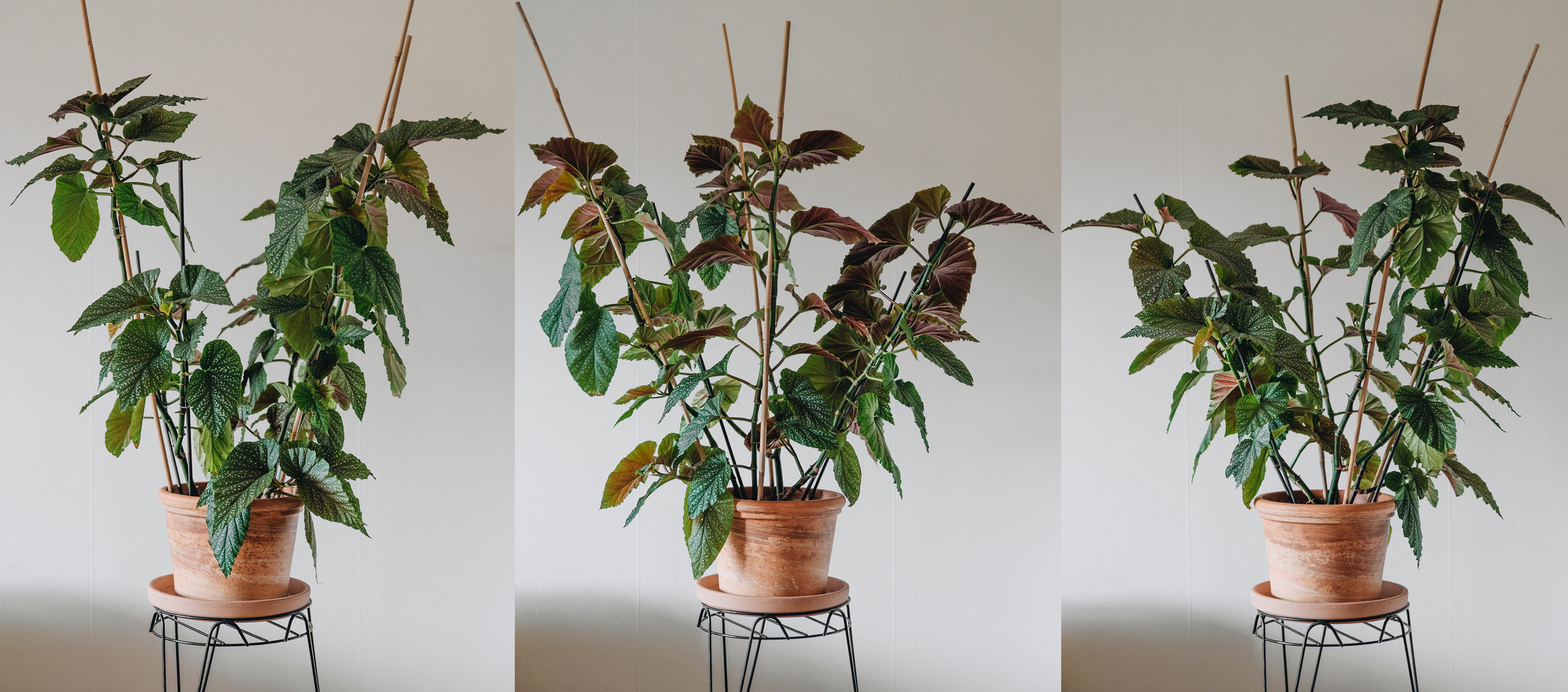
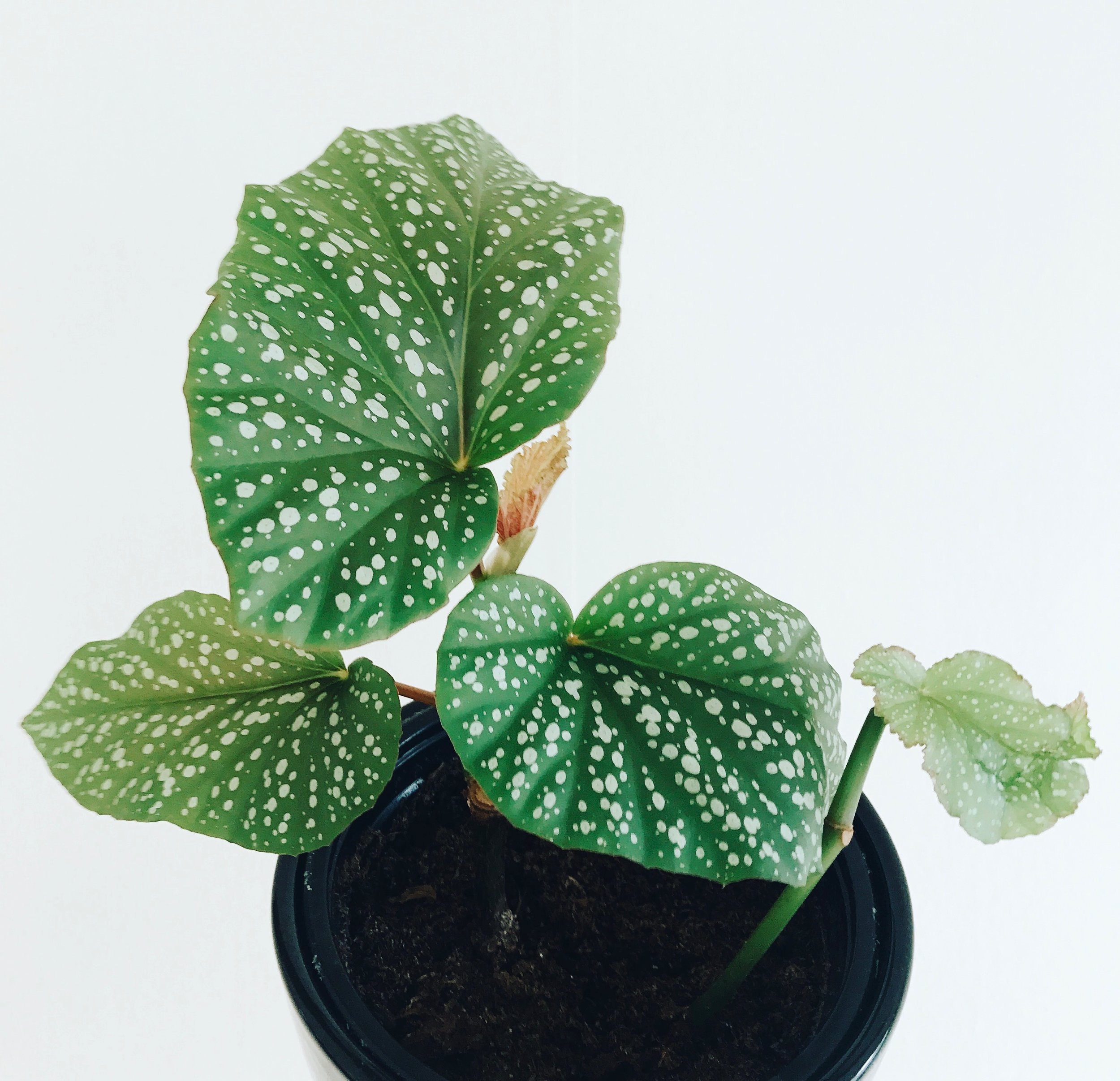
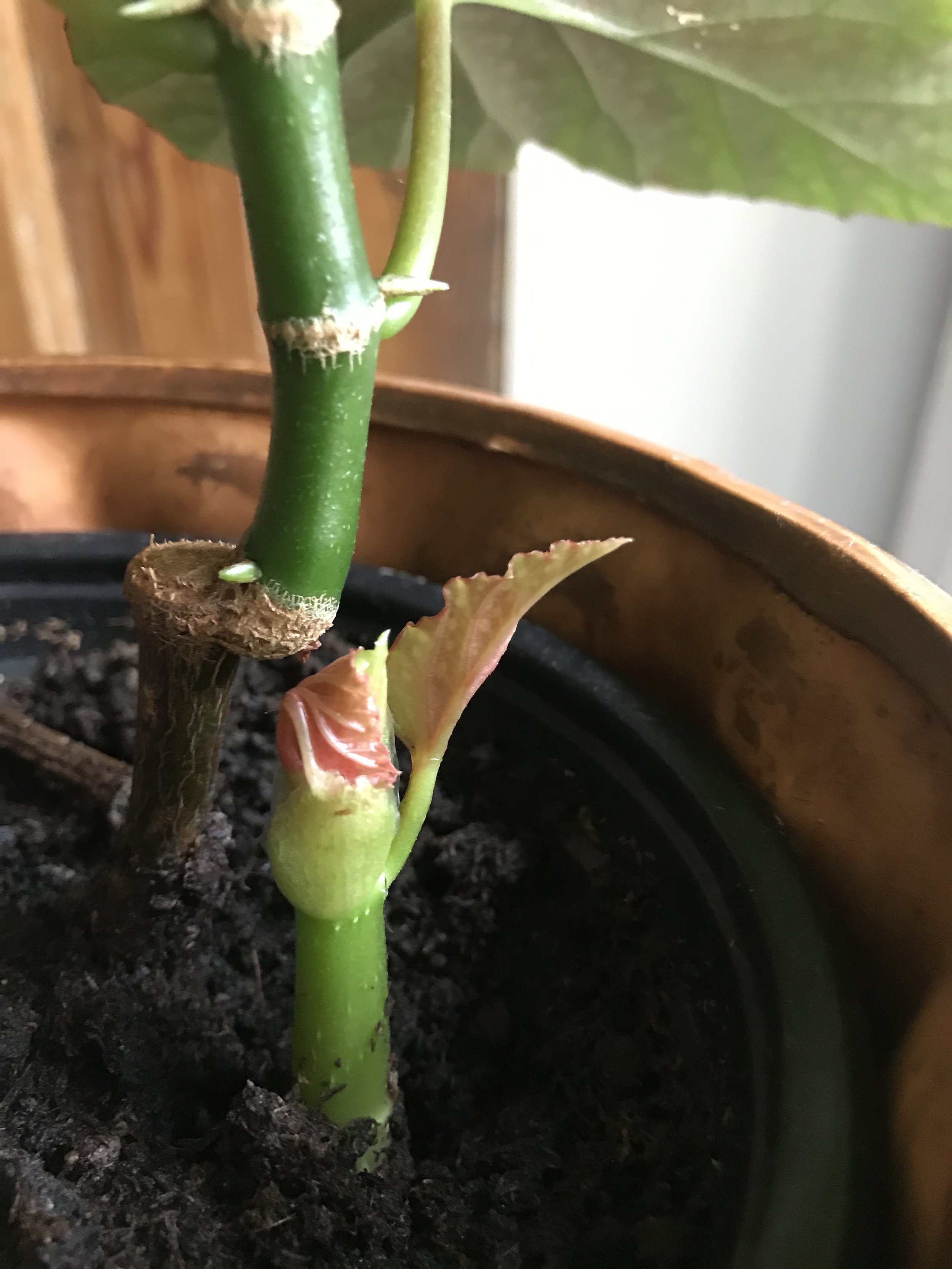
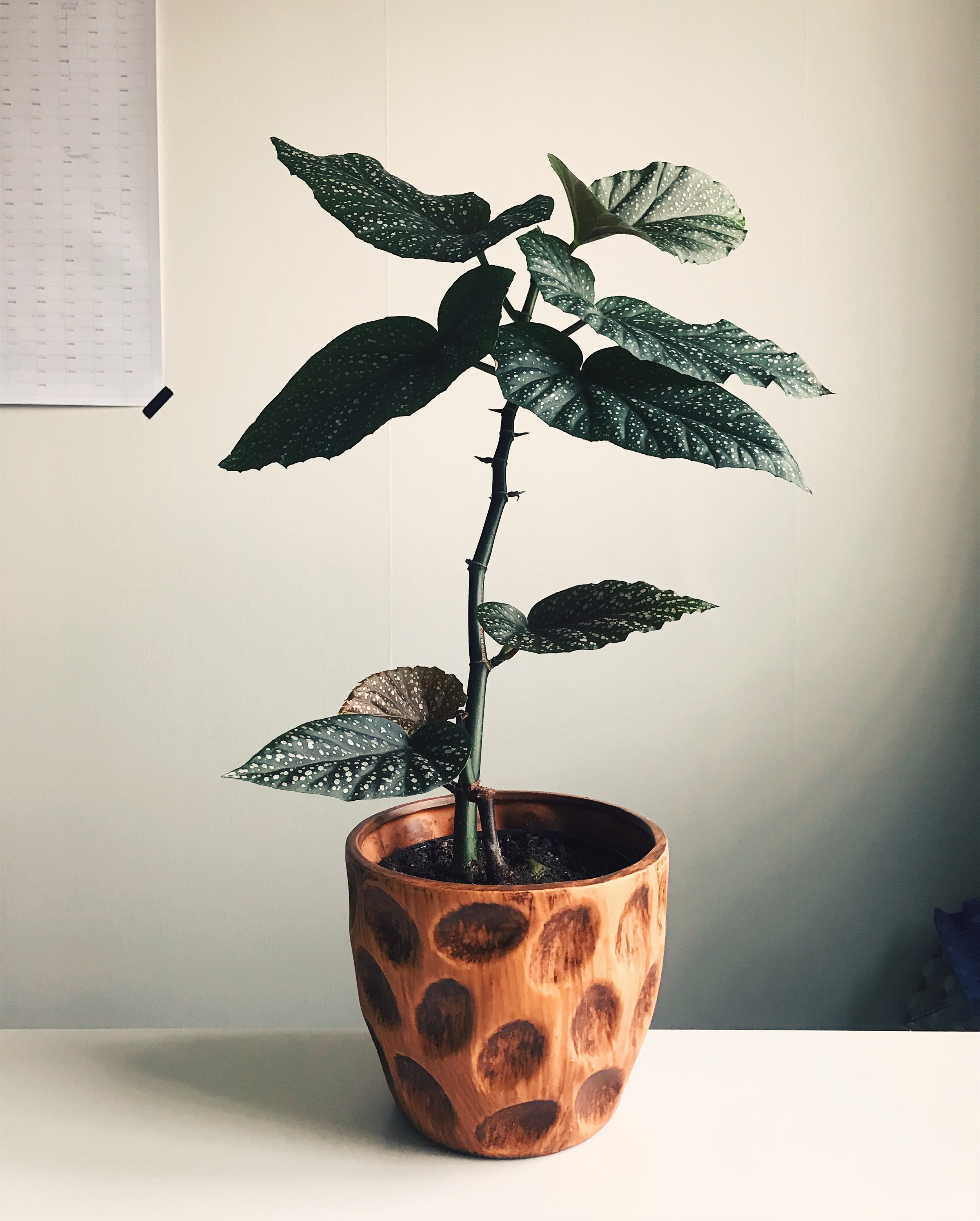
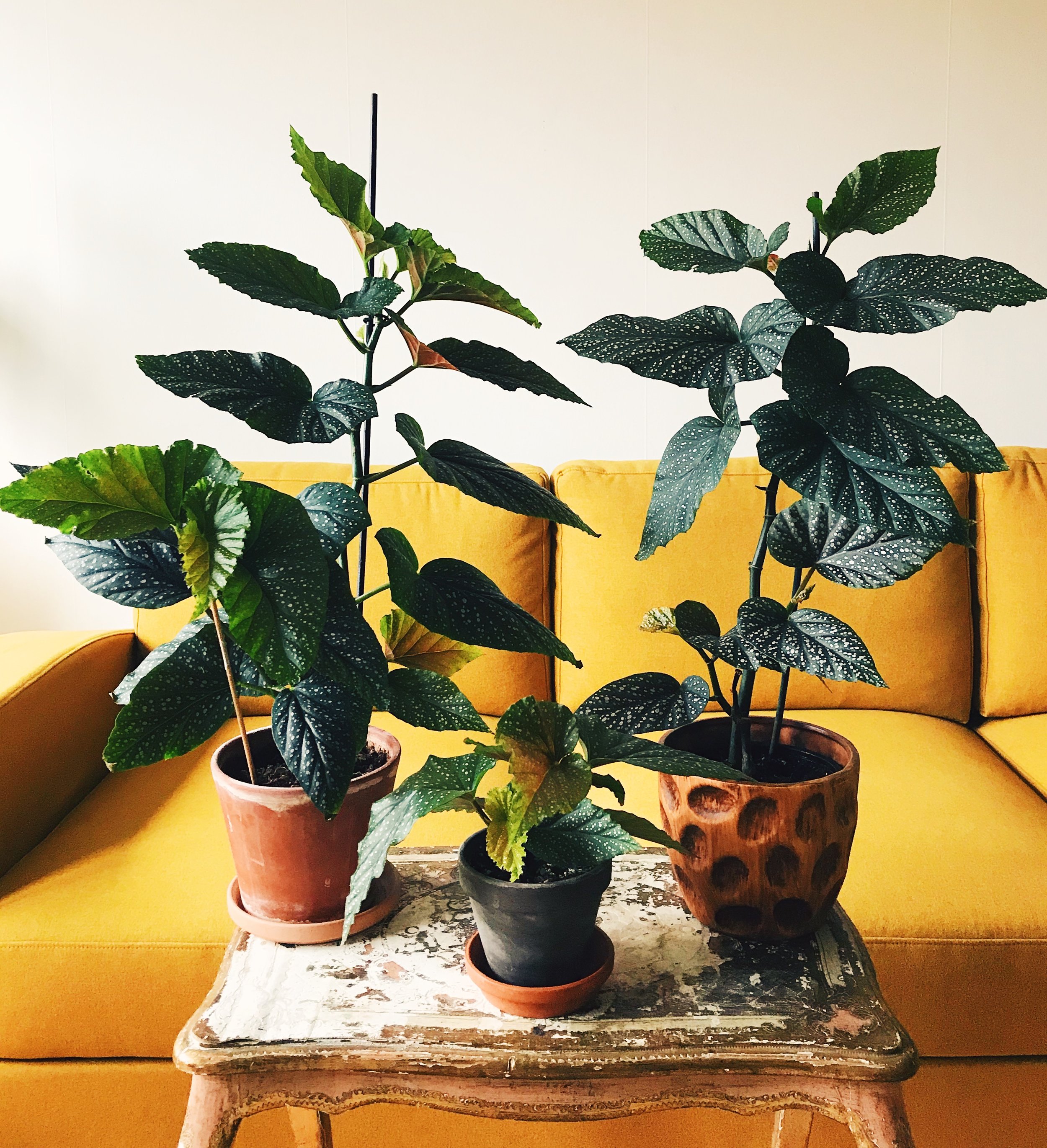
One of the two cuttings didn’t survive, the roots were too weak. But the other one grew up so fast, that within a couple of months I had a long stem with several leaves. And six months later, there was a new stem coming up from the soil next to the first one. As soon as it had grown a bit, I decided to cut off the first stem to propagate the plant and get even more begonia magic in my home. I repeated this a couple of times and soon I had two pretty big plants. A few months later, I brought them to a new apartment and a new city (Malmö). Then I decided to combine the two into one large pot, and voila, I had a big begonia bush in my living room!

triptyk.jpg

The Corallina bush grew bigger and bigger, growing more branches and new stems than I could count. In one year it had gotten so big that I felt I had to cut it down at some point. But before I did so, we got the news that Vini had gotten a new job in Panama City, and so I had to sell all my plants and move on. But I couldn’t let go of my precious Corallina, could I? So before selling it, I took a couple of cuttings and gave them to friends and family. The plant had to live on! I also saved one long stem for myself. I divided the stem in four parts, cut off all the leaves, and brought the stem cuttings with me. They were without water, without roots and without soil. Just four tiny pieces of stem, all with one node each.

It took longer than I thought it would, but after about 5 weeks, roots sprouted and I recently planted my tiny cuttings. Each of them have a couple of leaves now, and pretty soon they’ll have more. The Corallina can be a slow starter, but when it’s fully charged, it doesn’t stop, ever. It grows and grows and grows. And that’s it folks, that’s the curious life of my Corallina. Hopefully it’ll get big and beautiful here in Panama soon. I’d like to think that Eva Kenworthy Gray would have been proud of how far my begonia has travelled.

panamabegonia.jpg

So how do you take care of Corallina?
Well, it’s really one of the easiest plants you’ll ever meet. Most cane begonias are the same, so just follow my advice below and you’ll be fine.

CARE TIPS

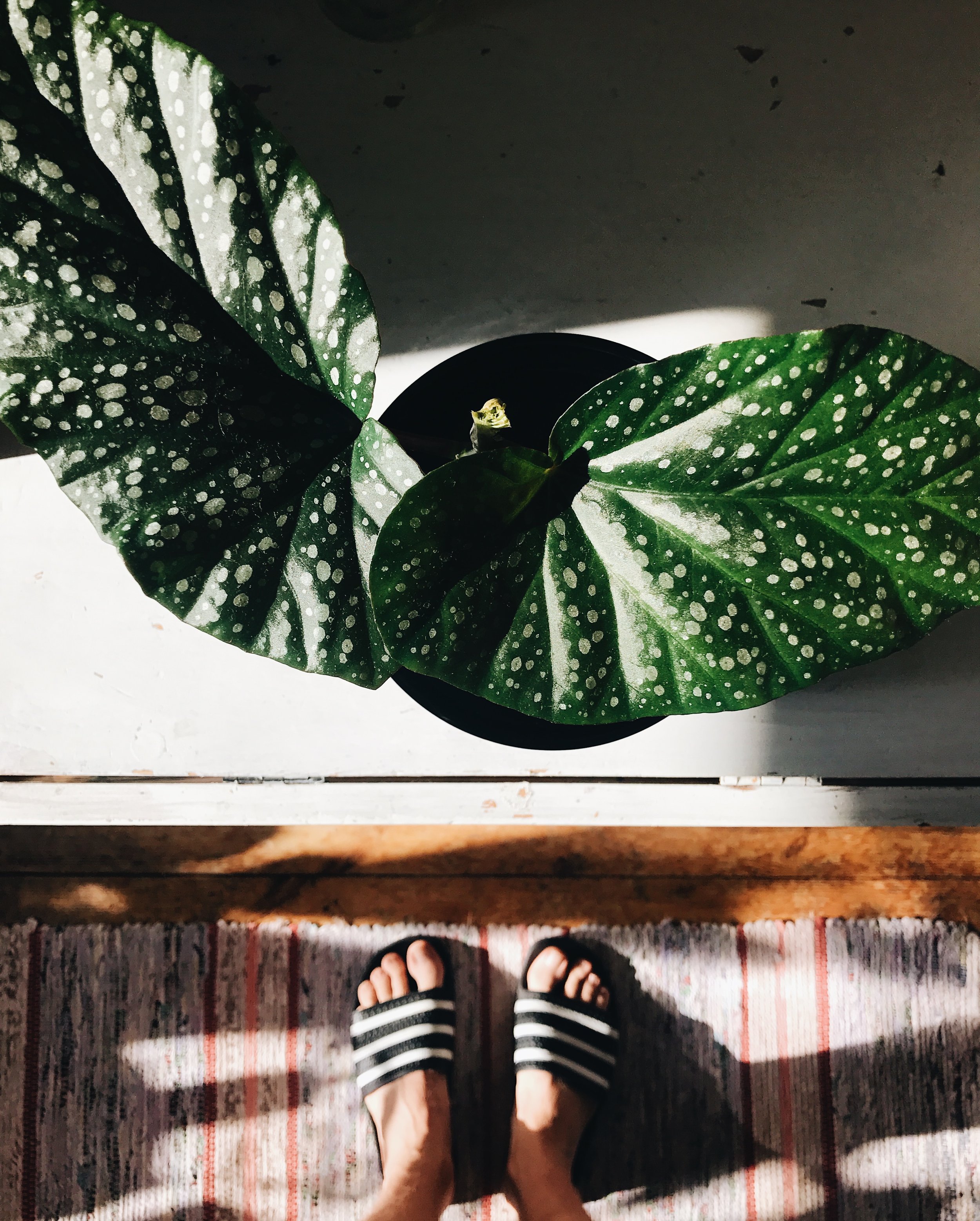
Light: Lots of bright light, even direct sun unless it’s very strong. This plant doesn’t do well in darker spots of the room. My plant even thrived in direct sunlight all year around, but I’ve heard from others that their plants couldn’t handle direct sun all day in the summer.

Potting material: I usually use a mix of normal potting soil and perlite. You could throw a couple pieces of bark in there too if you like, but it’s really not necessary for the plant to thrive. Just see to it that it’s somewhat easy draining, because otherwise the roots may rot. I like to use terracotta pots for this begonia, since it helps the plant breathe if you accidentally give it too much water.

Water: Corallina drinks lots, especially in the summer. But if overwatering occurs, new leaves usually grow deformed and ugly, so try to let the top 2-3 centimeters of the soil dry out before watering. If you’re unsure if your plant is in need of water, check the leaves. Are the droopy and hanging, or are they bouncy and sturdy? If they’re droopy and sloppy, they are in desperate need of water!

Fertilizer: You can easily feed the Corallina once every other week. Most places say every week, but I always feed my plants a little bit less than what other people recommend, because then you know you won’t ever give them too much nutrition.

Propagation: You’ll want to cut off the top piece of the stem, with 2-3 leaves on it. Remove the bottom 1-2 leaves (or all of them if you like). Just make sure that there is 1 or 2 nodes on the piece of stem, where the new stem will start growing from. Either put it directly in soil (risk of rot, in my opinion) or put it in water and wait for roots to form. It will take around a month or a bit longer, and then you can plant it. Wait for the cutting to have more than just one tiny root before you plant it.

Brown/dry leaves: The environment could be too dry. Are you keeping the plant close to a heater? Try moving it to another spot. Are you overwatering? Try letting the soil dry up for longer between waterings.

Unnatural silvery/see-through spots: Could be bugs, like thrips. Check the back of the leaf thoroughly to see if there are any crawlies creeping around. See-through spots could also be lack of nutrition, or simply a sunburn.

Good luck! And if you have any questions, you can always comment below. Last but not least, here are some pictures in a chronological order, with time stamp and brief explanations (best viewed on a computer), from the life and times of my Corallina!

Why we are moving to Panama

At a family wedding in Glencarse, Scotland, captured by the wonderful Wedding Photographer Zoe!

At a family wedding in Glencarse, Scotland, captured by the wonderful Wedding Photographer Zoe!

You might have heard by now. We’re moving to Panama. Actually, Vini has already been there for about a month. I stayed behind to sort out things with the apartment. I sold most of our belongings, keeping only a couple bags and boxes of things and winter clothes. I’m moving this Friday, the 5th, and we’ll be there for minimum a year, maybe longer. So many things are running through my mind every day, I’m exhausted constantly because of all the decision-making, organizing and other things that need to happen. Moving abroad is absolutely as exciting as it sounds, but it can also be super tiring. Like I’ve touched on before on this blog, but perhaps mostly in stories on my Instagram account, my life is absolutely not as glamorous as it may look or sound. And I just want to remind you that a lot of hard work goes into everything that I do. Nothing has come easily, nor has it come for free.

Sadly, this move means saying goodbye to my job in Copenhagen, my dear friends in Malmö, and by extension also in Stockholm and the rest of Europe. We’ve said our goodbyes to family members as well, and now we’re waiting for them all to come visit us in Panama City. I’ve also sold my 70-80 house plants, which was a sad but extremely successful event a month ago.

But why Panama? Well, that’s easy. Vini got a job offer and [we] said yes. People keep asking me what I’ll do there. My answer is still the same: I’m not really sure. But I do know there are lots and lots of opportunities and I’m excited to explore them all! I’m hoping I’ll find a group of people who love plants and a group that might go for jungle hikes now and then, and I’ll definitely kill some time by learning Spanish properly. And who knows, maybe I’ll open a perfume shop or start my own niche brand? What I do know with 100% certainty is that I’ll be with the person that means the most to me, my husband and partner in life.

I promise I’ll write more about life in Panama when I’ve landed. Amongst many things, I’m curious to see what their gay culture has to offer. If you know anything about Panama that you think might interest me, send me a message! And see you on the other side [of a very long flight]!

How to grow an Alocasia from a bulb

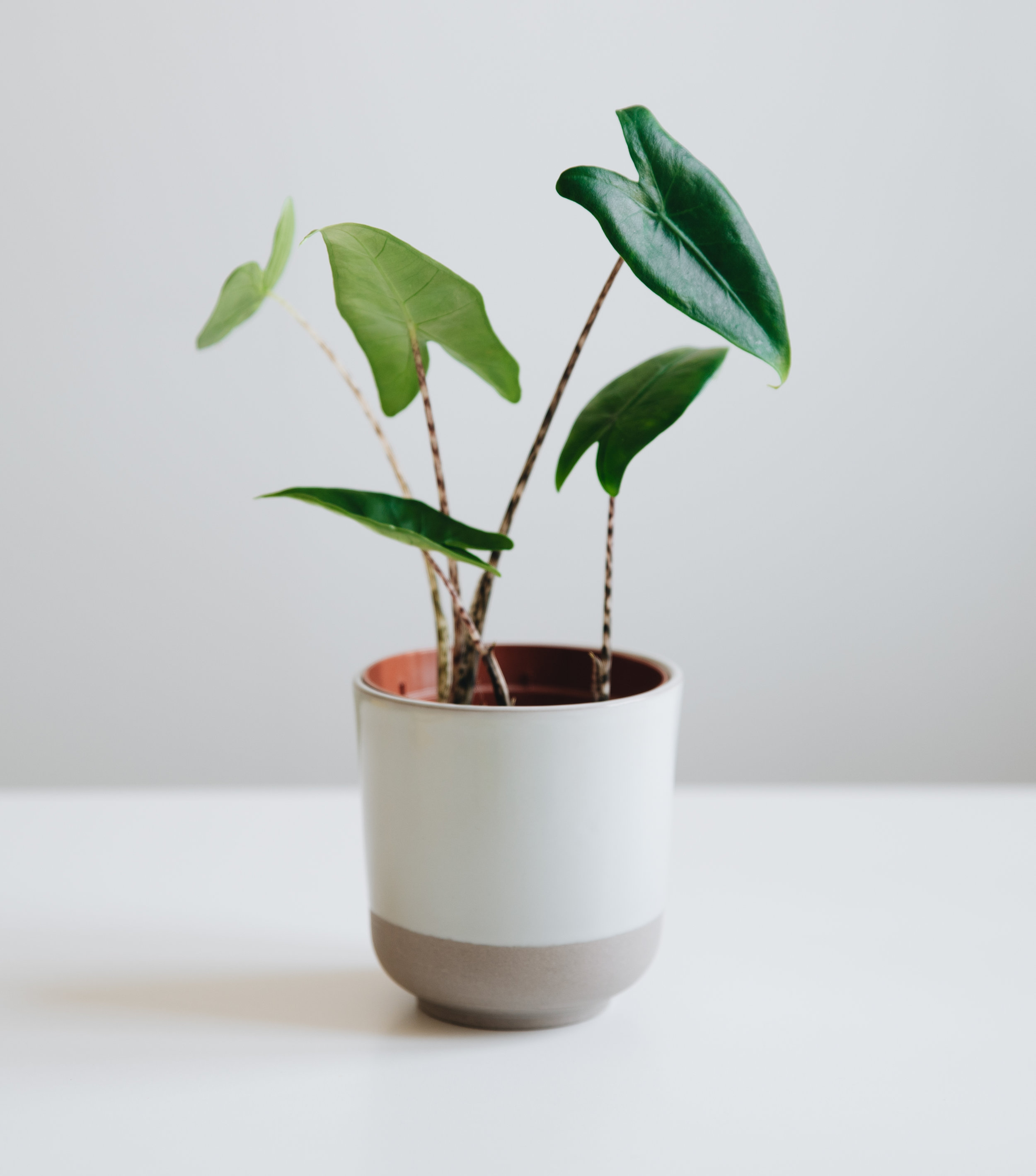
Alocasia zebrina

A while back I wrote about how to make your Alocasia happy in water. Now it’s time to talk about the bulbs! Before we start planting pups however, make sure to follow me on Instagram! Thanks!
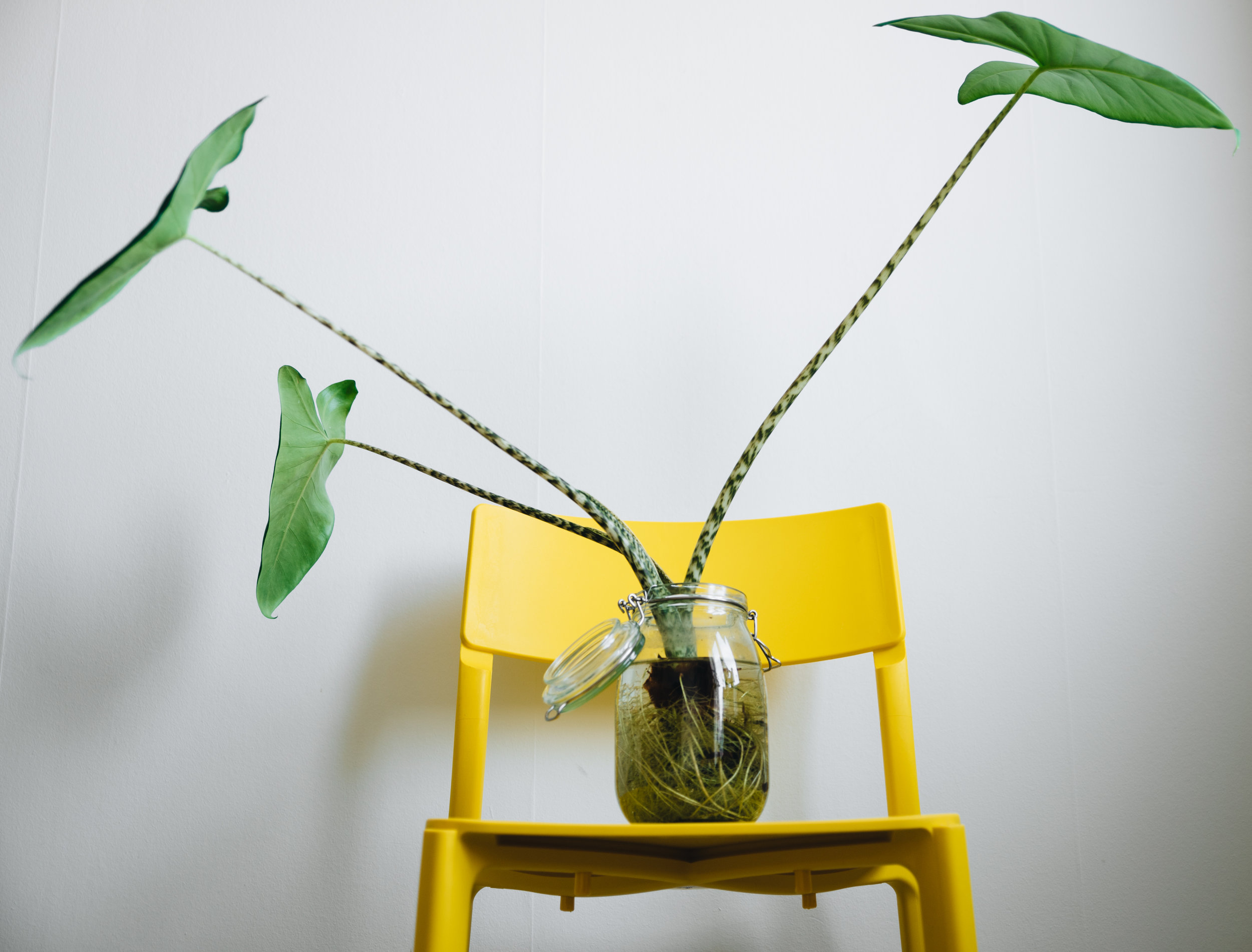
When you’re repotting or transferring your Alocasia to water, you might find these round-shaped bulbs in the soil. Sometimes they’re attached to the roots of the plant, sometimes they’re just rolling around in the soil doing their thing (which is sleeping or being dead, basically). If they’re not attached to anything, they might not give you any new sprouts, but it’s worth a try. Don’t worry about removing the attached ones from the roots though, that won’t hurt them nor the plant. Just do it carefully and try to remove the bulb from the roots, rather than the bulb with roots from the plant. If the bulb has one or two roots of its own, that’s great too!

When you’ve got them in your hand, squeeze them gently and check so that they’re still quite hard. If they’re moist/soft, they’re probably too far gone and you should just throw them away. This happens when there’s been too much water in the soil for a long time and root/bulb rot is bound to happen.

Alocasia bulb size

Having removed the bulb(s), you can plant them directly into some well draining soil (preferably a little soil mixed with perlite and sand, or other loose and dry material). This is for the bulb not to rot when you water it, you’ll just have to remember to water it quite frequently. I put a glass cover over them, so that it created a kind of tiny greenhouse. This way I didn’t have to water them that often, and when I did, I just sprayed the soil and the bulbs with water until I saw the water going down below the surface. Maybe once a week or so, I removed the glass roof for an hour, to let the bulbs breath a little.

Just an inch below the soil mixture, I put tiny rocks (you may also use soil with little to no nutrition, like cactus mix). The bulbs won’t need that much soil in the beginning, the point is just for them to create roots, and then later on to start growing their first stem/leaf. It’ll take a while, so be patient. I’d say give it a month, and if it doesn’t start growing in that time, it might not happen at all. Mine took about 2-3 weeks to start growing, and I planted them in April/May. Less than one year later and some of my Alocasia babies have created new bulbs of their own. Amazing how nature works isn’t it!

Planted growing bulbs

I got some questions on Instagram about this subject: 

Where do I find/buy Alocasia bulbs?
I’ve never seen them for sale. Might be that in some countries you can buy them (maybe online?). But I haven’t seen them and I’m not sure I’d recommend buying them either, because you never know the quality of them and if you pay a lot, it’s just wasted money. Just get them from another Alocasia, like I’ve explained above. If you don’t have one, maybe a friend has one and is repotting it soon? Be sure to hang around and grab a bulb or two! 

What is the best humidity for the bulb? 
Speaking from experience, I’ve noticed they rot easily (same goes for the roots/bases of the actual grown plants). Therefore they do need quick and easy draining soil (or, if it’s a full plant already, just stick it in water!). When it comes to humidity in the air, you may spray the leaves now and then. I don’t do that anymore, as I never noticed a difference in plant health when doing it. But it might help keeping spider mites away. For the bulbs to not dry out, keep them in a tiny greenhouse, a pot covered with a drinking glass or something else that you can easily pull off at home. As soon as the bulb has started sprouting however, you’ll need to take the cover off, or keep it off for much longer each time you remove it. Otherwise, again, it will rot.

Are there any other ways of creating new Alocasias? 
Except for getting bulbs from the soil of other Alocasias, you can also pollinate the plants when they have flowers and hope for the best. But I’ve never tried this method myself, so I can’t say much about it. Bulbs are definitely easier, faster and usually more frequent than flowers. Do NOT under ANY circumstances try to take cuttings from Alocasias, because it will never ever work. They will only die.

CHECKLIST

  • Make sure the bulb is still hard

  • Place the bulb with the root-part downwards

  • Use quick draining soil

  • Use a plastic or glass cover

  • Never let it dry out 100%

  • Plenty of light

PS. Remember to have a look at my story highlight on my Instagram. There you can see the evolution and growth of these bulbs over time! 

If you have any further questions, let me know in the comments below or in a direct message on Instagram!

Alocasia on the table

Christmas market in Malmö

Dear friends,
This weekend (1-2 December) I will be selling postcards and posters at the Christmas market at Mitt Möllan in Malmö. Most of them are plant themed. Some pictures are going out of print and I’ll be selling the last copies, these are limited edition and will not be printed again!

New for this market is that I’ll be bringing small surprise packages with different perfume samples, as well as bigger samples (5ml) that I’ll also be selling. Perfect and affordable Christmas gifts!

Come say hi, have a piece of chocolate and buy a print or two. See you there!

Facebook event

adansonii-postcard.jpg

Our chosen families

“The thing I regret is that I raised you as if you were straight. I didn’t know any different. I am so sorry. I’m so sorry. I knew… well before you did… that your life was going to be so hard. I knew that, and I wanted it more than anything in the world not to be the case. And I know I made it worse, because I wanted you to change because I knew the world wouldn’t.”

– Hannah Gadsby quoting her mother, in the Netflix special “Nanette”

A while back, I asked my Instagram followers a couple of questions. One of the questions was if they would be interested in seeing more gay content on my feed. Out of the 300 people that answered, 91% said yes, without even knowing what I meant by gay content. This partly proves the point I was trying to make with my last post about gay friends. We crave community and relatable content, even when we’re not exactly sure what relatable content actually is. (That, or people just want me to send nudes… But I prefer to believe that’s not it!)

Following this, I created a very simple and brief survey with three questions. 

  1. Do you identify as LGBTQIA+? (Yes/No)

  2. How many of your friends (that you meet up with on a regular basis) belong to this community? (All, More than half, Less than half, None)

  3. Do you wish you had more LGBTQIA+ friends? (Yes/No)

Obviously, this survey can not be used for scientific research. I can only reach people who follow me, most of whom are 20-34 years old, living in Europe and the Americas. Maybe the results would be insanely different if I could ask people in e.g. Iraq, Uganda and China. I have no idea. Just the fact that most of my followers live in countries where being anything other than straight is actually legal, and some of us even get to marry and have kids, that changes a lot for a survey such as this one. So I’m definitely aware that there are better ways of conducting these things, but I wanted to get a simple overview of how my followers feel. I wanted to know if they’re like me, if they feel like I do. And it seems the majority of the people who answered the survey do feel the same. 

150 people answered the three questions in 24 hours.

  • 82% identify as LGBTQIA+

  • 78% wish they had more LGBTQIA+ friends

  • 7% have no LGBTQIA+ friends

Two straight people answered they don’t have any LGBTQIA+ friends and three straight people don’t want any LGBTQIA+ friends at all. I’d love to know why you feel like this, if you’re one of those people who think labels are overrated or if you’re just homophobic. Either way, write me!  

Following this tiny survey, I started googling and researching the subject of ”gay friendships” even more. For example, I found this article citing a study saying that ”despite all the talk of our ’chosen families,’ gay men have fewer close friends than straight people or gay women.

Why are we so bad at finding friends? Why are we bad at keeping them? Is it our insecurities because of our backgrounds and upbringings? Something I really teared up with while watching Hannah Gadsby’s Netflix special was when she told that story of what her mother said to her about raising her straight. It resonated with me and so many people I know. 

Being brought up in a straight world, where the constant reminder is that if you’re not straight, you’re not normal, you’re different, you’re something else, a minority. You’ll eventually put yourself down too. Be it openly or just inside your mind, you’re worth less. You’re telling yourself you’re worth less. It takes its toll on you. And in a way we come to hate ourselves, and as a consequence also avoid other gay people because they’re worth just as little as we are. It takes years, sometimes half a life or more, to realize that we’ve been wrong all this time. 

And even if your parents are cool, society is a constant reminder that we’re not the norm. We’re different. And that likely won’t change. It’s hard to accept, but we just have to be OK with it. And we need to keep together. Our so-called ”chosen families” are more important than we might think. 

I’m going to quote this article again (I really recommend reading the whole thing!):

”It’s easy to ignore, roll your eyes and put a middle finger up to straight people who don’t like you because, whatever, you don’t need their approval anyway. Rejection from other gay people, though, feels like losing your only way of making friends and finding love. Being pushed away from your own people hurts more because you need them more.”

I couldn’t agree more. We all need to make our ”chosen families” bigger. And we have to take care of those families and friendships. I personally always want more gay friends. Lesbian, gay, trans, it doesn’t matter. I just need people who understand me because they’ve been through what I’ve been through. 

What about you?

My favorite places in Malmö and Copenhagen

My husband Vini and I receive visitors in our apartment in Malmö quite often. Sometimes family members, sometimes friends, all traveling from near and far. They are always in the mood for exploring Malmö and Copenhagen and so we usually take them to our favorite spots, and if there’s still time after that, we try to find something new that we don’t know of already. Here are some of our best spots for food, ice cream, parks and more. If you’re looking to do something else, you may find a lot of different options on the Pingle app. They have inspirational articles about what you can do in both cities, and they even let you create activities related to these, for you to meet and hang out with new people! 

pildammsparken.jpg

Malmö

  • Pildammsparken
    This park is the best one in Malmö, because it really is for everyone. There are playground spaces for families and kids and there is a luxurious restaurant (Bloom in the Park) for the foodies. For those who like to work out, there’s an outdoor gym, stairs to run up and down, or you can go for a jog around the lake. It’s also great for picnics, long walks and other activities. 
     
  • Mineral
    After getting to know the lovely owners of this vegetarian restaurant/wine bar, we can’t seem to stop ourselves from going, again and again and again. It has simply become the best hangout place in Malmö for us. We go pretty much once a week, sometime even more than that. The food is delicious and the company is always great. Let me know if you’re ever around and up for a drink, we’ll just hit Mineral together! 
     
  • Köld
    There’s ice cream, and then there’s ice cream. Köld makes the best ice cream in Malmö. I’d even say they make some of the best ice cream I’ve ever had. I’ve written about them for local newspapers a couple of times because of this fact, and I don’t see their success stopping anytime soon. It’s a bit of a shame they’re located in such a boring and dark food court, in an even more boring mall. But the original flavors and the fun banter with the ice cream maker definitely makes up for it. This place is great for anyone who loves ice cream, they even make lots of vegan flavors!
     
  • Västra hamnen
    In the summer, this is the hot spot for swimming and sun bathing. Lots of beautiful people and a great view towards the bridge and Copenhagen. When it’s not swimming season, we go here to show our visitors the interesting and unique architecture, as well as shop at the incredibly well stocked supermarket ICA Maxi. Take the bus home, cause you won’t be able to carry all the groceries, not even on your bike.   
copenhagen.jpg

Copenhagen

  • Ma’ed
    If you’re into Ethiopian food, you’ve definitely come to the right place. And if you’ve never tried it, what are you waiting for?! Ma’ed makes delicious injera, a traditional sort of pancake that you eat with meats and veggies (vegetarian options also available of course). Perfect for sharing in couples or larger groups. 
     
  • Nice Cream
    Vegan ice cream all around! From the cute panda logo to the delicious flavours, everything at Nice Cream feels well thought out and cared for. You’ll have to go back several times to try all the flavors, they’re too good not to try all of them. 
     
  • Plant KBH
    The tiny little cactus store previously known as Kaktus KBH has re-emerged from the dirt and has become two beautiful shops filled with green jungle plants and pretty pots. Check out the one in Nordhavn for some bigger plants, and the one in Nørrebro for smaller houseplants. Plant lovers will be absolutely mesmerized with both stores.  
     
  • Søndermarken
    Basically the equivalent of Pildammsparken in Malmö. Walk your dog, go for a run, a picnic or maybe just read a book under a tree. Søndermarken is a lovely get-away from the somewhat touristy and busy shopping streets of Copenhagen. 

All of these places are great for visiting and exploring together with friends. But since we’re in Scandinavia, sometimes friends can be hard to find, or maybe they just don’t have time to meet when you’re feeling like going on an adventure. So a good idea is to get on Pingle and find some new like-minded people to do these and other activities with. You’ll also find me on there from time to time!

Pingle for iPhone
Pingle for Android

How to grow an Alocasia in water

A lot of people have asked about my Alocasia zebrina plants and how I’ve made them thrive in my home. First of all, let’s go through the zebrinas I have. There's a bigger one in water, that I rescued from very certain rotting death. It was gifted to me earlier this year. I also have several tiny babies, that I grew from the bulbs that I took from the big one (read here about bulbs specifically, and read here if you’re not sure if your roots are rotten). 

Before we dig into this, make sure to follow me on Instagram! Thanks!

Now, let’s start with the big Alocasia zebrina. When I got it, the plant had two large beautiful but slightly sad leaves and the soil was super wet. No matter how long I waited, or how much wet soil I removed, it just wouldn’t dry. I figured that the type of soil must be wrong for the plant, and removed as much as I could, and repotted it. 

A big parenthesis: you might like to know that the soil that was in the pot was what came with the plant from the grower. I think it was some kind of coconut coir (or a similar medium). This is what most Alocasias are potted in, at least if they come from The Netherlands. I tend not to use coconut coir, as I think it keeps the water for too long. And once it’s gotten too wet, it’s quite difficult to get it back on a good level again. It does work wonders for some plants though. Actually my biggest Alocasia amazonica thrives in it. But i'ts potted with coconut coir that I’ve put there myself, and if I remember correctly I mixed it with something else (and I water it quite sparsely whenever it gets water). 

Back to the repotting of mama Alocasia: Getting new soil wasn’t really helping it either. I waited a month or so, but the leaves were looking more and more yellow each day. My last option was to remove all the soil and stick the plant in water. I also took the opportunity to remove all rotten and damaged roots, and take out the bulbs that were still intact. Several bulbs were soft and rotten already.

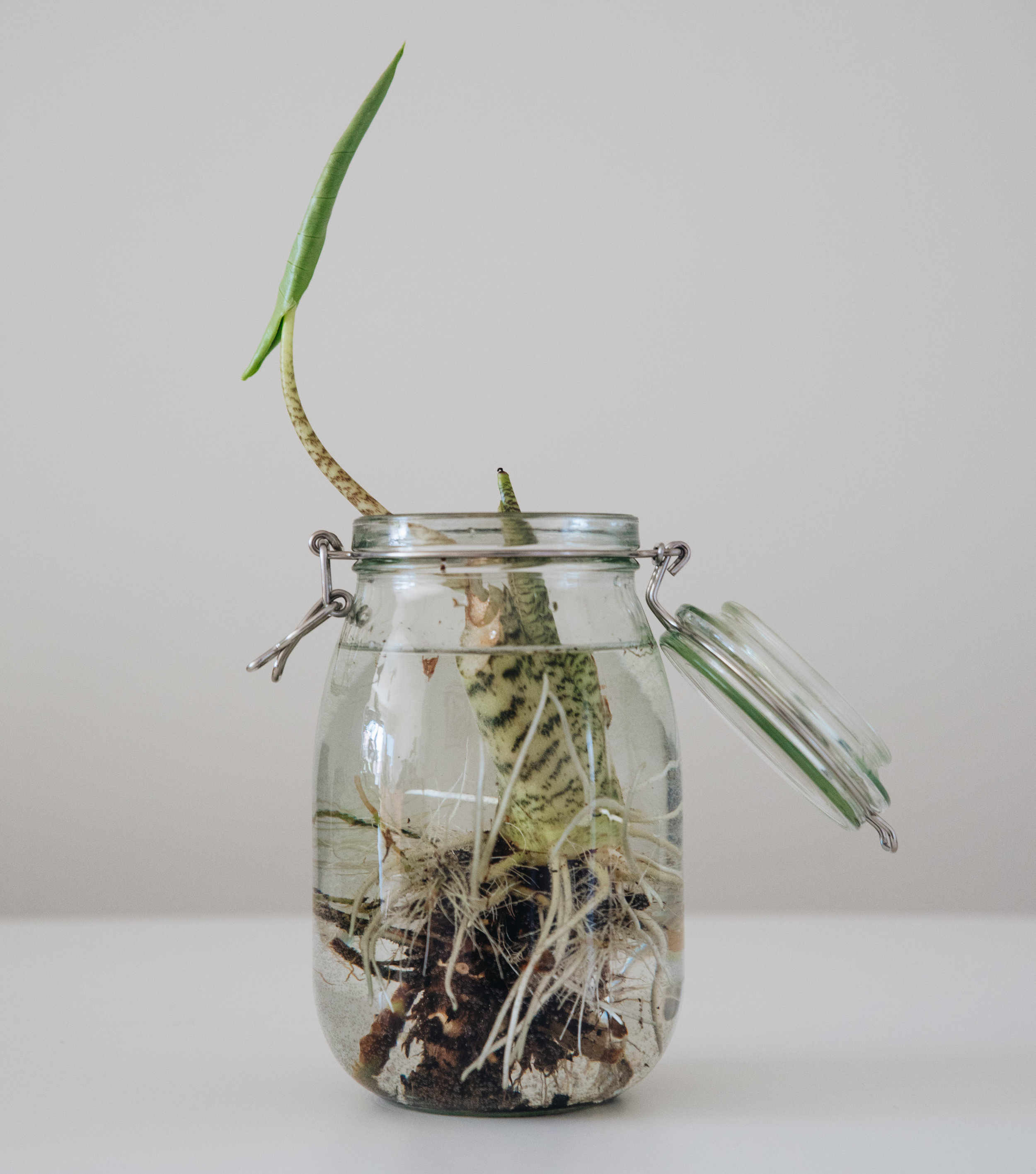
It only took about a week in water for the plant to regain some of it’s strength. It quickly started to sprout a new leaf. As soon as it did, I cut off the remaining yellowed leaves and I decided to move the plant into a new glass jar. It looked like a beautiful alien octopus...

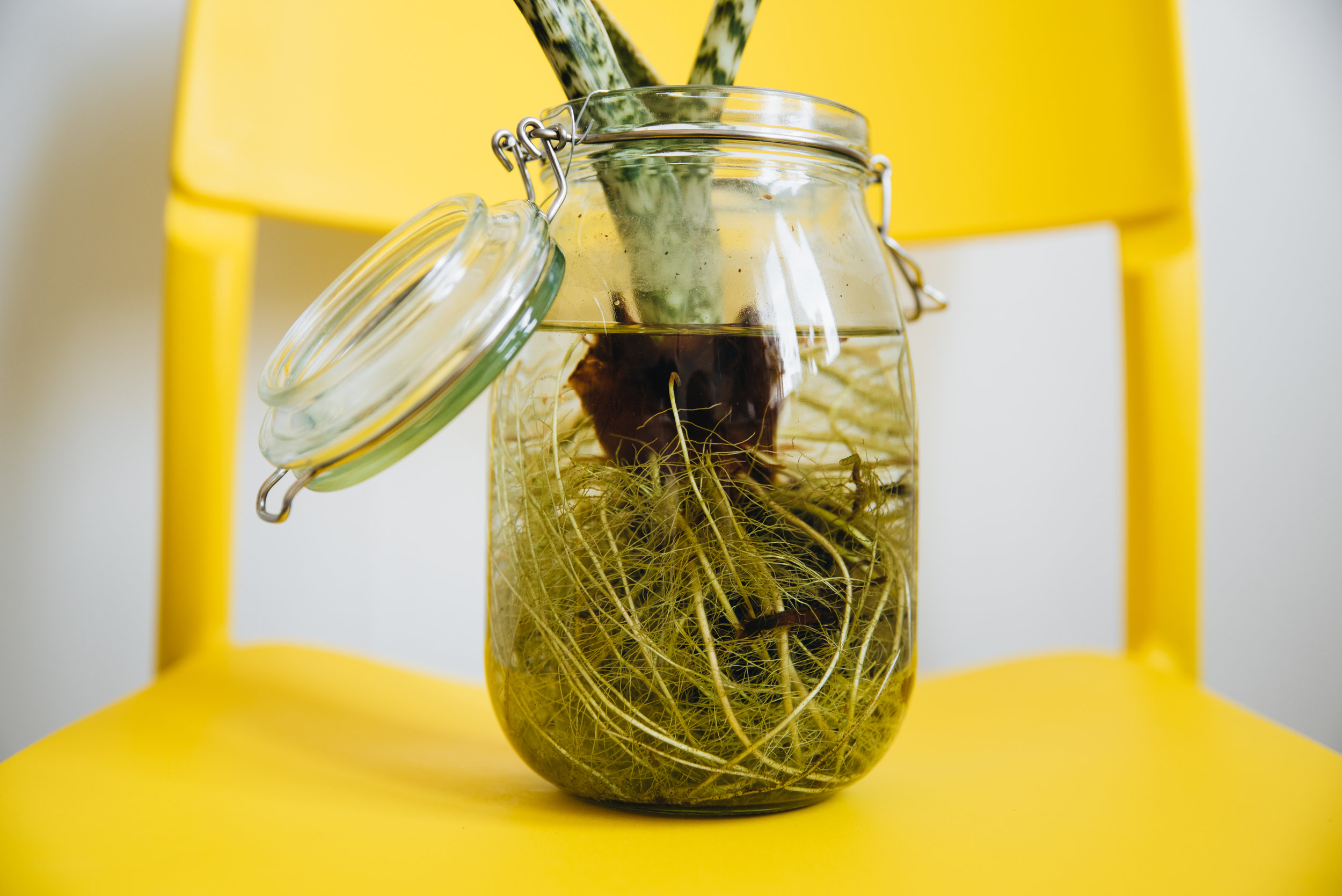
Since that first leaf grew to its full stage, the plant has been spitting out a new leaf every 3 weeks, each one bigger than the last. The plant now has so many roots in that glass jar (see the picture at the end of this post), and it’s getting increasingly difficult to photograph the whole plant in one photo! I’m happy this method worked so well. For all of you Alocasia haters out there, this is what you need to do for your plant to be happy. I promise it will work wonders! 

I also received questions on Instagram about this plant and method, here are some answers: 

Where on the stem do I cut it off, and can I take cuttings? 
Do NOT cut off the stem of your Alocasia. If you want to save the plant and put it in water, you need to remove all the soil and put the whole root system in water. Do NOT try to take cuttings from an Alocasia, it will never work. The only way to produce new plants is to get bulbs from the soil, or if a bulb starts growing on its own and a new plant pops up from the soil. You might also 

Do you fertilize the water? 
No. I’ve never tried adding anything, but I guess you could leave it in minimally fertilized water for a couple of hours or a day, and then change the water? I’m not sure, but I wouldn’t leave it in fertilized water for a long time, it might be too much of a shock for the plant and the water roots. 

What about the size of the container?
Don’t worry too much about this if your plant is in water. I would just find a fitting vase/jar that gives the plant enough support around the sides. It needs to be quite tall (I might try to find a new one for mine soon) and not too wide. 

How do you keep the corm and the roots from rotting in water?
It simply does not rot in water! Alocasias tend to grow in moist and wet places, for example in the rainforest climate of Brazil. So if you have a true Alocasia, it should be able to handle the wet conditions. However, as I’ve mentioned above, they tend to rot fast and easy in certain mediums, such as coconut coir or very dense potting soil. These roots need oxygen, which they do get even when they’re in water. They don’t get enough of it in dense or very wet soil though. That’s why I recommend putting it in water if you’re having trouble keeping it alive in any other medium. 

Am I eventually going to put this plant back in soil? 
I don’t know. My Alocasia zebrina seems to thrive and be really happy as it is right now. I might change my mind about it in spring. But for now, and during winter, I’m definitely keeping it in water. And you decide for yourself what you’d like to do with yours. You might just want to use this method to save it from certain death and then when it’s recuperated put it back in soil. That’s fine!   

Is Alocasia zebrina toxic to pets? 
Just like a lot of other tropical plants, Alocasias are considered toxic to cats and dogs. If you have a pet, you might consider putting your Alocasia in a place where your pet can’t reach it. Or just don’t get an Alocasia. 

Checklist

  • Make sure your plant is actually an Alocasia of some sort

  • Remove as much soil as possible, and all rotten roots too

  • No direct sunlight, but give it plenty of indirect light

  • Change the water every 7-10 days

  • Sing Drake to get it to fall asleep every night (kidding)

  • You’ll have a happy Alocasia in no time!

If you have any further questions, let me know in the comments below or in a direct message on Instagram!

PS. It costs money to keep this website running. Any support you can help out with, however big or small, is greatly appreciated. I now have a Patreon. You can also send any amount you feel like here: paypal.me/upleafting Thank you!

Look at those roots! Insane huh?!

Look at those roots! Insane huh?!